
5 Easy Ways to Fix Vegetables That Taste Bitter | RipePlate
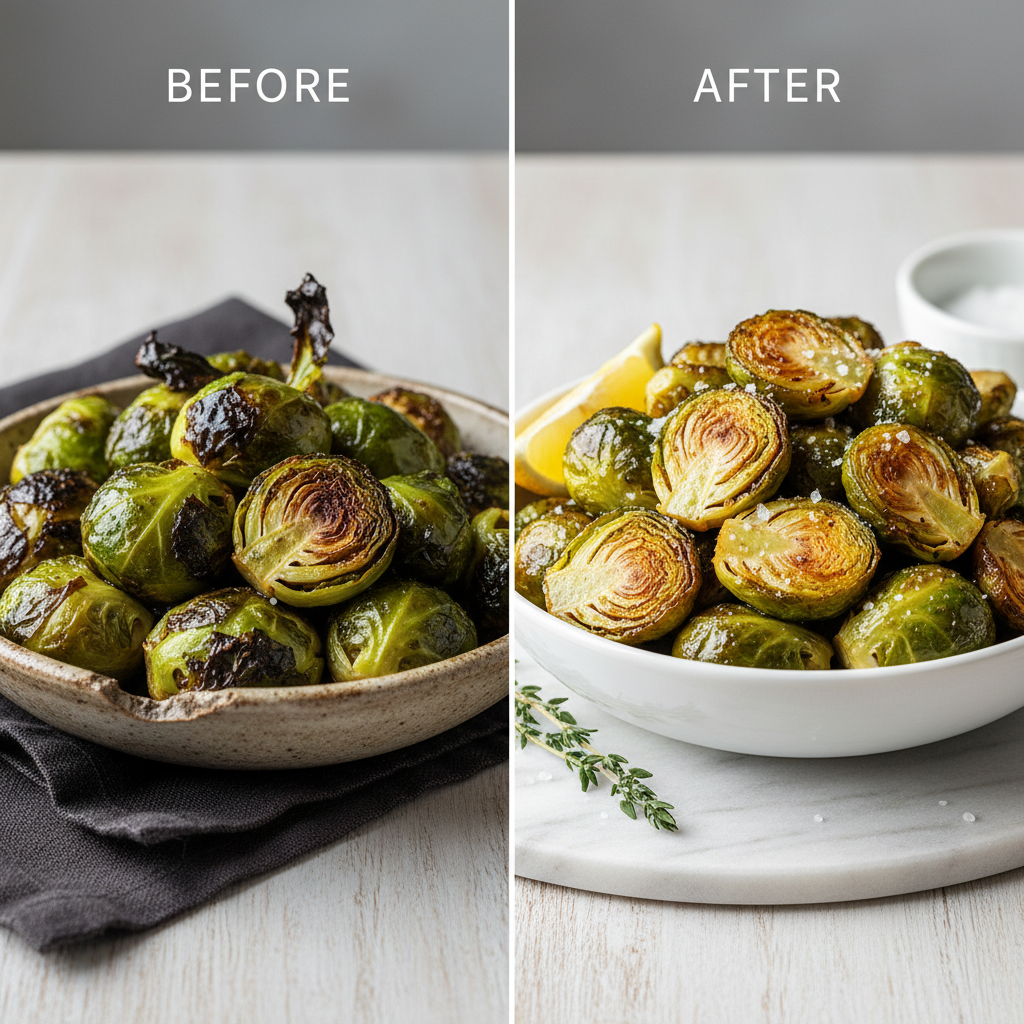
vegetables taste bitter. Picture this: You've spent time carefully chopping broccoli, tossing it with olive oil and spices, and roasting it to what you *thought* was perfection. You take a proud bite, only to be met with a harsh, unpleasant bitterness. What gives? It's a frustratingly common kitchen problem. The main reason your vegetables taste bitter is usually a combination of natural chemical compounds being released, overcooking, or burning. But don't worry, it's often a fixable mistake, and we're here to walk you through exactly how to save your supper.
vegetables taste bitter. First, let's understand why this happens and how to work with—not against—your vegetables.
vegetables taste bitter. Want to create your own custom recipes? Try our AI-powered recipe generator for personalized cooking solutions tailored to your ingredients and preferences.
The Science Behind Bitter Veggies
Your vegetables taste bitter due to natural chemical compounds like glucosinolates breaking down when overcooked, or from the formation of acrid carbon when burned.
vegetables taste bitter. That bitter taste isn't your imagination; it's pure chemistry! Many healthy vegetables, especially brassicas (broccoli, kale, cabbage, Brussels sprouts), contain glucosinolates. In their raw state, these compounds are locked away. Heat breaks them down. A little breakdown creates delicious flavors, but too much heat for too long causes glucosinolates to decompose into potent, sulfurous compounds that are intensely bitter. Vegetables like eggplant also contain alkaloids that can taste bitter, especially if older or improperly prepared.
Burning is another culprit. When sugars and amino acids get too dark, they undergo pyrolysis and turn into bitter carbon. Burnt garlic or onion is a perfect example.
5 Quick Fixes for When Your Vegetables Taste Bitter
So you've already cooked them and the damage is done. Don't throw that dish out! Here are five ways you can balance the flavors and rescue your meal.
Fix #1: Balance with Salt and Fat
The Problem: Bitter notes are overpowering.
The Fix: Salt is a natural bitterness suppressant, blocking taste buds. Sprinkle kosher or flaky sea salt. Fat coats the tongue, mellowing sharp flavors. Toss vegetables in olive oil, butter, or grated Parmesan cheese.
Pro Tip: A quick sauce with browned butter and flaky sea salt offers both nutty fat and bitterness suppression, great for bitter greens or broccoli.
Fix #2: Cut with Acidity
The Problem: The dish tastes flat and harsh, with a lingering bitter aftertaste.
The Fix: Acidity brightens flavors and cuts bitterness. A fresh squeeze of lemon or lime juice, or a splash of vinegar (apple cider, red wine, balsamic), can instantly lift the dish. Start small, then add more if needed.
Pro Tip: Balsamic glaze offers both acidity and sweetness, a fantastic save for over-roasted Brussels sprouts or radicchio.
Fix #3: Counter with Sweetness
The Problem: The bitter edge is too sharp.
The Fix: Sweetness provides a counterpoint to bitterness. Add a small pinch of sugar, a tiny drizzle of maple syrup, or a spoonful of honey. The key is to add just enough to balance, not to make the dish overtly sweet.
Pro Tip: Incorporate naturally sweet ingredients like raisins, chopped dates, or caramelized onions for complex sweetness.
Fix #4: Blanch Before You Cook
The Problem: This is a pre-fix for intensely bitter vegetables like broccoli rabe or dandelion greens.
The Fix: Blanching pulls out water-soluble bitter compounds. Boil heavily salted water, drop veggies for 1-2 minutes, then immediately transfer to ice water. Pat dry, then sauté or roast as planned.
Pro Tip: According to Serious Eats, salted water seasons vegetables and helps retain vibrant color.
Fix #5: Perfect Your Cooking Technique
The Problem: Vegetables are burnt and acrid or steamed and grassy-bitter.
The Fix: Aim for caramelization, not combustion. Use high heat (400-425°F / 200-220°C) for roasting. Don't overcrowd the pan; give veggies space to brown, not steam. If roasted veggies are soggy, they're steaming, which brings out bitter notes. If struggling to get color, check your technique for browning vegetables properly.
Pro Tip: Ensure vegetables are thoroughly dry before hitting hot oil. Water prevents browning and promotes steaming.
How to Prevent Bitter Vegetables in the First Place
An ounce of prevention is worth a pound of cure! To avoid having your vegetables taste bitter from the start, follow these simple guidelines:
- Buy Fresh: Vegetables like zucchini and eggplant become more bitter with age. Use them when fresh, young, and firm.
- Don't Overcook: This is the #1 rule. Watch your veggies for tender-crisp and nice browning, not limp and dark.
- Prep Properly: For eggplant, salting for 30 minutes draws out bitter juices. For peppers, remove all white pith and seeds, which carry bitterness.
- Embrace High Heat: Roasting, grilling, and stir-frying at high temperatures caramelize natural sugars, balancing any underlying bitterness. Avoid long, slow boiling.
- Add Garlic Late: Minced garlic burns fast. Add it in the last few minutes for aroma without acrid, burnt taste.
Complete Vegetable Troubleshooting Guide
This is just one of many common vegetable cooking issues. For a comprehensive guide covering all vegetable problems and solutions, check out our complete Complete Vegetable Troubleshooting Guide.
Frequently Asked Questions
Why does my broccoli taste so bitter after cooking?
Broccoli contains glucosinolates. Overcooking breaks these down into intensely bitter, sulfurous molecules. Cook broccoli for a shorter time at high temperature (roasting or stir-frying) until bright green and tender-crisp.
How do you get the bitterness out of cooked greens like kale?
For already-cooked bitter greens, add balancing flavors. A squeeze of lemon juice (acid), a drizzle of olive oil (fat), a sprinkle of Parmesan cheese (salt and fat), or a few dried cranberries (sweetness) can help mask and balance the bitterness.
Can you fix vegetables that have been overcooked and turned bitter?
Yes, to an extent. While you can't reverse overcooking, you can mask bitterness. Add fat, acid, and a little sweetness. Try tossing vegetables in a vinaigrette with olive oil, vinegar, and a pinch of sugar or honey. Serving with a creamy dip like hummus or yogurt sauce also helps.
Does salting vegetables before cooking reduce bitterness?
Yes, especially for eggplant. Salting eggplant for about 30 minutes draws out excess moisture and some bitter alkaloid compounds. For other vegetables, salting is more effective at balancing bitterness on your palate when eating, rather than removing compounds beforehand.
Conclusion
Understanding why vegetables turn bitter, whether due to chemical breakdown ```