Chicken Tastes Metallic? 6 Easy Ways to Fix the Metal Flavor
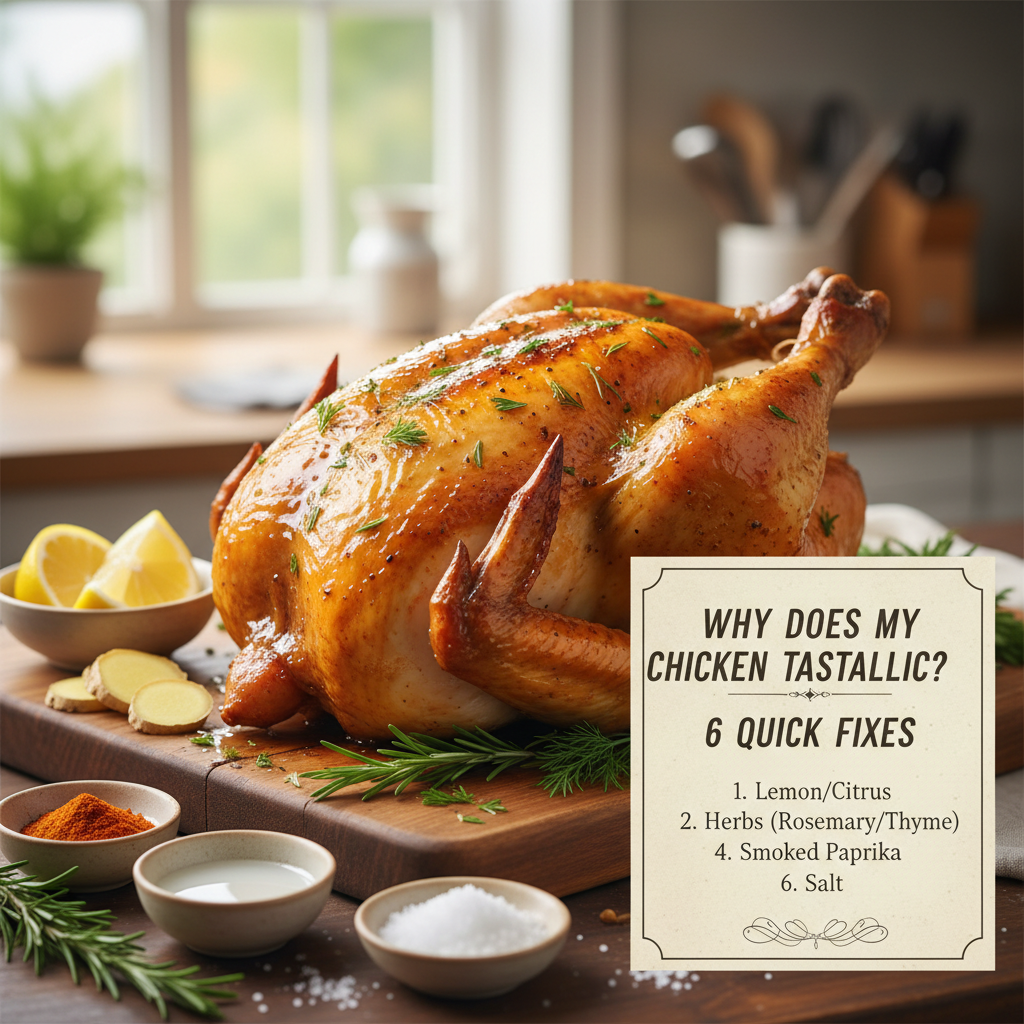
There’s nothing more frustrating than spending time and effort on a beautiful chicken dinner, only to take that first bite and be met with a strange, off-putting metallic or sour flavor. You followed the recipe perfectly, it looks golden-brown and delicious, so what went wrong? Don't worry, you're not alone, and your taste buds aren't deceiving you. The primary reason your chicken tastes metallic is often due to a chemical reaction called lipid oxidation, but it can also be caused by your cookware, improper storage, or even certain marinades. Let's break down why this happens and how to ensure your chicken tastes clean and delicious every time.
Want to create your own custom recipes? Try our AI-powered recipe generator for personalized cooking solutions tailored to your ingredients and preferences.
The Science Behind That Metallic Taste
That unpleasant tang on your palate is rooted in chemistry. The main culprit is a process called lipid peroxidation, a fancy term for fat going bad. Chicken, especially dark meat, contains unsaturated fats that are vulnerable to oxidation when exposed to oxygen. This reaction creates new compounds, like aldehydes, which our brains perceive as a metallic, cardboard-like, or sour flavor.
This process is supercharged by a few key factors:
- Heat: Cooking starts the oxidation process. Reheating is an even bigger offender, leading to what food scientists call "Warmed-Over Flavor" (WOF). As Serious Eats explains, WOF is the rapid onset of rancid flavors when cooked meat is chilled and reheated.
- Metals: Iron, found naturally in chicken's myoglobin (the protein that gives dark meat its color), acts as a catalyst, speeding up the oxidative process. Cooking in reactive metal pans like cast iron or aluminum can also contribute.
- Acids: A sour taste can come from spoilage bacteria producing lactic acid. It can also occur when highly acidic marinades (like those with lots of lemon juice or vinegar) denature the proteins too much, creating a chalky texture and sour flavor.
Factors Accelerating Off-Flavors in Chicken
| Factor | Effect on Chicken Flavor |
|---|---|
| Heat (especially reheating) | Accelerates fat oxidation, causing "warmed-over flavor". |
| Oxygen Exposure | A necessary component for lipid oxidation to occur. |
| Reactive Cookware (Iron, Aluminum) | Can leach metal ions into food, especially with acidic ingredients, catalyzing oxidation. |
| Improper Storage | Increases oxygen exposure and risk of bacterial growth. |
6 Quick Fixes for When Your Chicken Tastes Metallic
If you're already dealing with this flavor issue, don't throw that chicken out just yet! Here are a few ways to diagnose the problem and fix your dish.
1. The Cookware Culprit
The Problem: You cooked an acidic chicken dish, like a lemon-herb chicken, in a reactive pan made of cast iron, aluminum, or copper. The acid reacted with the metal, leaching metallic ions into your food and giving the chicken a metallic taste.
The Fix: For now, immediately transfer the chicken and any sauce to a glass or ceramic serving dish. Don't store leftovers in the metal pan! For the future, use non-reactive cookware like stainless steel, enamel-coated cast iron (like Le Creuset), or ceramic for acidic recipes.
Pro Tip: If you love your cast-iron skillet, you can still use it! Just make sure it's well-seasoned and avoid simmering acidic sauces in it for long periods.
2. The Reheating Riddle
The Problem: Your leftover chicken tastes like cardboard. This is a classic case of Warmed-Over Flavor (WOF) from reheating, which accelerates fat oxidation.
The Fix: The best way to enjoy leftover chicken is often cold! Shred it for chicken salad, slice it for sandwiches, or toss it into a green salad. If you must reheat it, do so gently. Place the chicken in an oven-safe dish with a splash of broth, cover with foil, and warm in a 300°F (150°C) oven until just heated through. This gentle method is far better than a microwave, which can also lead to that dreaded rubbery chicken texture.
Pro Tip: Mask any lingering WOF by serving the reheated chicken with a strong, fresh sauce like a chimichurri, a pesto, or a flavorful gravy.
3. The Marinade Mistake
The Problem: You marinated your chicken overnight in a lemon or vinegar-based marinade, and now it tastes sour and has a weird texture.
The Fix: Unfortunately, you can't reverse this. The acid has effectively 'cooked' and broken down the exterior of the meat. You can try to balance the flavor with a creamy or slightly sweet sauce. A yogurt-dill sauce or a honey-mustard glaze might help.
Pro Tip: For highly acidic marinades, limit marination time to 2-4 hours. Always marinate in a non-reactive container like a glass dish or a zip-top bag, never in a metal bowl.
4. The Old Oil Offense
The Problem: You pan-fried your chicken, and it picked up a funky, stale flavor. The cooking oil you used might have been rancid.
The Fix: Give your cooking oil a sniff. If it smells waxy, like crayons, or has a soapy aroma, it's gone bad. There's no saving the current dish, but you've found your culprit for next time. Discard the oil and start fresh.
Pro Tip: Buy cooking oil in smaller quantities that you'll use within a few months. Store it in a cool, dark cabinet away from the stove to prolong its shelf life.
5. The Freezer Burn Factor
The Problem: The chicken you thawed from the back of the freezer has dry, discolored patches and tastes distinctly 'off' and metallic after cooking.
The Fix: This is freezer burn, which is essentially oxidation and moisture loss. You can try trimming away the most affected areas before cooking. Using the chicken in a heavily seasoned dish like a curry, soup, or stew can help mask the off-flavors.
Pro Tip: To prevent freezer burn, wrap chicken pieces tightly in plastic wrap or butcher paper before placing them in a freezer-safe bag. Squeeze out as much air as possible. A vacuum sealer is a fantastic investment for preventing this and also helps stop your chicken from shrinking excessively.
6. The Spoilage Signal
The Problem: The raw chicken had a slimy feel or a sour smell before you even cooked it, and now the cooked product tastes sour.
The Fix: Stop eating immediately. A sour taste is a major red flag for spoilage. Unlike the other issues, this is a food safety concern. As Food Standards Agency guidance advises, when in doubt, throw it out. It's not worth the risk.
Pro Tip: Always trust your senses. Your nose is your best tool for detecting spoilage. Fresh chicken should have little to no odor.
How to Prevent a Metallic or Sour Taste in Chicken
The best fix is prevention! Follow these simple rules to ensure your chicken is always delicious:
- Buy Fresh: Start with high-quality, fresh chicken from a reputable source. Use it within 1-2 days of purchase.
- Cook Smart: Use non-reactive cookware (stainless steel, enamel, glass) when cooking with acidic ingredients like tomatoes, wine, or citrus.
- Marinate with Antioxidants: Add herbs like rosemary, thyme, sage, or oregano to your marinades. They contain natural antioxidants that help inhibit lipid oxidation.
- Store Properly: Store raw chicken in the coldest part of your fridge. Store leftovers in airtight glass containers and consume within 3 days.
- Freeze with Care: Wrap chicken tightly to eliminate air exposure before freezing. This prevents freezer burn and locks in flavor.
- Rethink Leftovers: Instead of automatically reheating, repurpose leftover chicken cold in salads and sandwiches to avoid Warmed-Over Flavor. This also helps prevent the chicken from becoming dry and tough.
Frequently Asked Questions
Why does my leftover chicken taste weird or metallic?
This is most likely due to "Warmed-Over Flavor" (WOF). When cooked chicken is cooled and then reheated, the fats oxidize very quickly, creating stale, metallic, or cardboard-like flavors. To avoid this, try eating leftovers cold or reheating them very gently in a covered dish in the oven.
Can eating chicken that tastes metallic make you sick?
It depends on the cause. If the metallic taste is from lipid oxidation (WOF) or a reaction with your cookware, it's unpleasant but generally not harmful. However, if the taste is sour and accompanied by a bad smell or slimy texture, it's a sign of spoilage, and you should discard the chicken immediately as it could cause foodborne illness, as highlighted by the NHS guidance on food poisoning.
Does brining chicken help prevent a sour or metallic taste?
Yes, brining can help! A good brine not only makes chicken juicier but can also help protect the flavor. The salt helps to denature proteins in a way that can reduce the catalytic activity of the iron within the meat, slowing down some of the oxidative reactions that cause off-flavors.
Complete Chicken Troubleshooting Guide
This is just one of many common chicken cooking issues. For a comprehensive guide covering all chicken problems and solutions, check out our complete Complete Chicken Troubleshooting Guide.