
Why Don't My Vegetables Get Crispy? 5 Fixes for Perfection
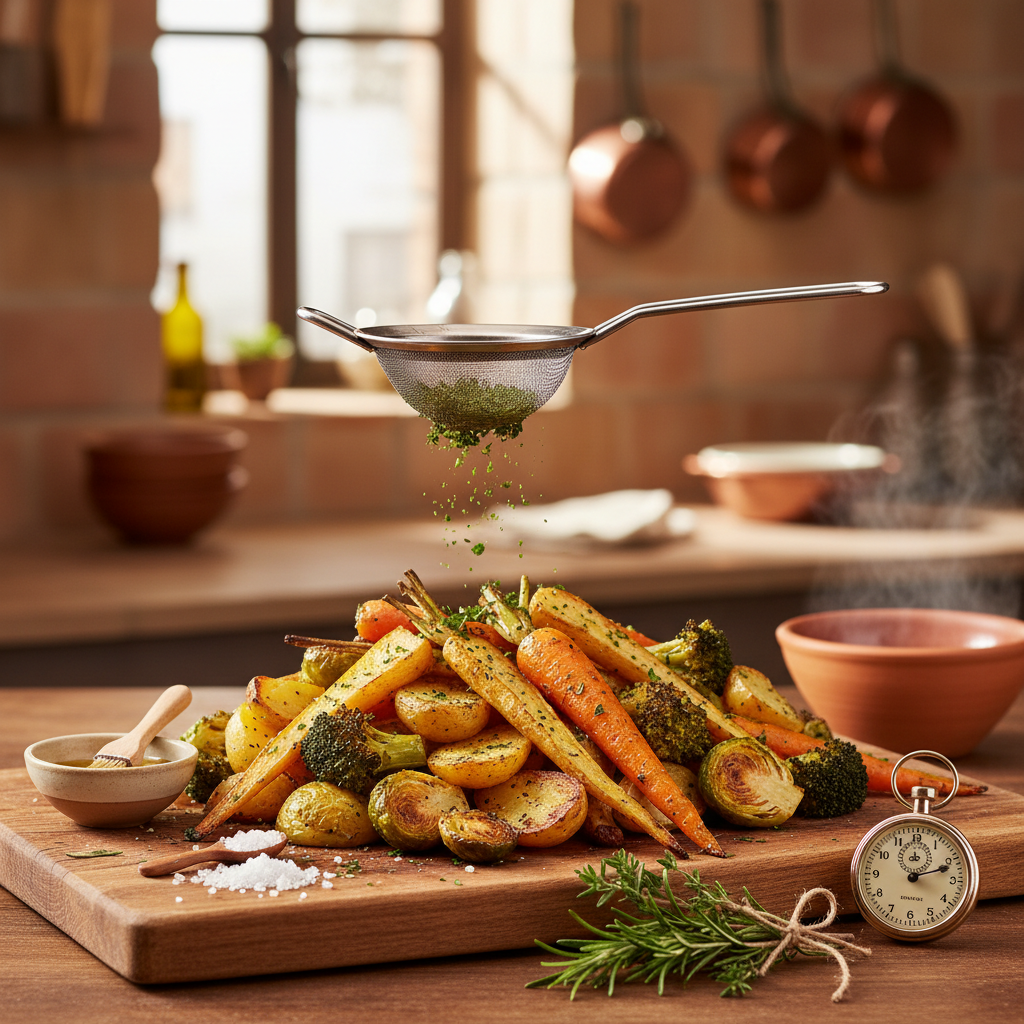
You peek into the oven, filled with hope. You imagined perfectly browned, crispy-edged broccoli and carrots, but instead, you’re greeted by a pan of sad, limp, and slightly steamy vegetables. What went wrong? It’s a common kitchen frustration that leaves many of us wondering, why don't my vegetables get crispy when I roast them? The answer usually boils down to three main culprits: too much moisture, a crowded pan, or an oven that’s not hot enough. Don't worry, these are all easy problems to solve, and we're here to guide you to crispy veggie nirvana!
Want to create your own custom recipes? Try our AI-powered recipe generator for personalized cooking solutions tailored to your ingredients and preferences.
The Science Behind Soggy Veggies
To understand why vegetables fail to crisp up, we need to look at the science of roasting. The goal isn't just to cook the vegetables; it's to achieve browning and crispiness through two key processes: the Maillard reaction and caramelization.
The Maillard reaction is a complex chemical reaction between amino acids and reducing sugars that gives browned food its distinctive flavor and texture. Caramelization is the browning of sugar. Both of these magical processes require high, dry heat. When your vegetables have too much surface moisture or are packed too tightly on a pan, they create steam. This steam lowers the surface temperature of the vegetables, preventing it from ever getting hot enough for the Maillard reaction to kick in. Instead of roasting, your veggies are essentially steaming in their own juices.
Think of it like trying to toast bread in a sauna—it’s just not going to happen! You need to drive off the water first so the surface can reach temperatures above 300°F (150°C), which is where the real magic begins. High oven heat and good air circulation are your best friends in this battle against sogginess.
| Vegetable Type | Ideal Roasting Temp (°F) | Approx. Time (mins) |
|---|---|---|
| Hard Veggies (Potatoes, Carrots, Beets) | 400-425°F | 30-45 |
| Medium Veggies (Broccoli, Cauliflower, Brussels Sprouts) | 400-450°F | 20-30 |
| Soft Veggies (Asparagus, Bell Peppers, Zucchini) | 400-425°F | 10-20 |
5 Quick Fixes for Vegetables That Don't Get Crispy
If you constantly find yourself asking, "Why don't my vegetables get crispy?", one of these five common mistakes is likely the culprit. Let’s fix them one by one.
1. Your Vegetables Are Too Wet
The Problem: You washed your veggies and immediately tossed them with oil and seasonings. That lingering surface water is enemy number one of crispiness. As we learned, water creates steam, which is the opposite of the dry heat needed for browning.
The Fix: Dry your vegetables completely after washing. You can pat them dry thoroughly with a clean kitchen towel or paper towels. For leafy greens like kale or chopped broccoli florets, a salad spinner works wonders to wick away excess moisture.
Pro Tip: After patting them dry, spread your vegetables on a baking sheet and let them air-dry on the counter for 10-15 minutes before you toss them with oil. It makes a huge difference!
2. You're Overcrowding the Pan
The Problem: You’ve piled all your delicious, chopped veggies onto a single baking sheet. When they're packed together like sardines, there's no room for air to circulate. They trap each other's moisture, creating a steamy environment.
The Fix: Give your veggies some personal space! Spread them in a single, even layer on your baking sheet, ensuring none of the pieces are touching. If you have too many vegetables for one pan, don't hesitate to use two. This is one of the most common reasons people end up with soggy roasted veggies.
Pro Tip: For ultimate air circulation, place a wire rack inside your rimmed baking sheet. This elevates the vegetables, allowing hot air to flow underneath and crisp up all sides at once. This guide from Serious Eats provides a great visual of what proper spacing looks like.
3. Your Oven Isn't Hot Enough
The Problem: Roasting at a moderate temperature like 350°F (175°C) is great for baking a cake, but it's not hot enough to quickly evaporate moisture and trigger browning on vegetables. A low temperature will just slowly bake them until they're soft and mushy.
The Fix: Crank up the heat! For most vegetables, a roasting temperature between 400°F and 450°F (200-230°C) is the sweet spot. This high heat helps the exterior crisp up quickly while the inside becomes tender.
Pro Tip: Always preheat your oven fully. For an extra crispy boost, place your empty baking sheet in the oven while it preheats. When you add the oiled vegetables to the hot pan, they'll start sizzling and searing immediately.
4. You're Using the Wrong Amount of Oil
The Problem: Oil is a conductor of heat; it helps transfer the oven's heat efficiently to the surface of the vegetables. Too little oil, and they'll dry out and burn rather than crisp. Too much oil, and they'll become greasy and soggy.
The Fix: The general rule is about 1 to 2 tablespoons of oil per pound of vegetables. The goal is a light, even coating—not a swimming pool. Place your dry veggies in a large bowl, drizzle with oil, and toss thoroughly with your hands to ensure every piece is lightly coated.
Pro Tip: Use an oil with a high smoke point, like avocado, grapeseed, canola, or even light olive oil. Extra virgin olive oil has a lower smoke point and can burn at high roasting temperatures, imparting a bitter taste.
5. Your Pieces Are Unevenly Sized
The Problem: You have a mix of large chunks and tiny bits on your pan. By the time the large pieces are tender, the small bits are burnt to a crisp, and the medium pieces are just... meh. Inconsistent cuts lead to inconsistent cooking.
The Fix: Strive for uniformity. Cut your vegetables into roughly the same size and shape. This ensures that everything roasts at the same rate, giving you a consistently cooked and crispy result across the entire pan. This guide from Serious Eats on roasting potatoes really emphasizes the importance of size and shape.
Pro Tip: If you're roasting a mix of vegetables, consider their density. Hard, dense veggies like potatoes and carrots take longer to cook than softer ones like zucchini and bell peppers. Start the hard veggies first, then add the softer ones to the pan partway through cooking.
How to Prevent Soggy Veggies Before You Start
Tired of troubleshooting? The best fix is prevention! Follow these golden rules every time you roast, and you'll banish soggy veggies from your kitchen for good.
- Start Hot: Always preheat your oven to at least 400°F (200°C) and consider preheating your pan, too.
- Get 'Em Dry: Make sure your vegetables are completely dry before you even think about adding oil.
- Give Them Space: Use a large baking sheet (or two!) and arrange veggies in a single layer with plenty of room to breathe.
- Oil Correctly: Use just enough high-smoke-point oil to lightly and evenly coat each piece.
- Cut Uniformly: Chop your vegetables into consistent, bite-sized pieces for even cooking.
- Salt at the End: Salt draws out moisture. To maximize crispiness, it's often best to salt your vegetables after they come out of the oven, not before. Avoiding this is key to preventing mushy vegetables in general.
Frequently Asked Questions
Should I cover vegetables with foil when roasting them to make them crispy?
No, you should not cover vegetables with foil if your goal is crispiness. Covering the pan traps steam, which is the exact opposite of what you want. You'll end up with soft, steamed vegetables instead of crispy, roasted ones. The only time to use foil is if you notice the tops are browning too quickly before the inside is cooked; in that case, you can tent it loosely for the last few minutes of cooking.
What is the absolute best temperature to get crispy roasted vegetables?
The golden range is generally between 400°F and 450°F (200-230°C). 425°F (220°C) is a fantastic all-purpose temperature that works well for most common vegetables like broccoli, cauliflower, Brussels sprouts, and potatoes. This high heat promotes rapid moisture evaporation and encourages browning.
Why are my roasted vegetables soggy even when I use high heat?
If you're using high heat and still asking "why don't my vegetables get crispy?", the most likely culprit is overcrowding the pan or starting with wet vegetables. Even at 450°F, if the vegetables are packed together, the moisture they release will get trapped and create steam. Ensure your veggies are bone-dry and in a single layer with space between them.
Complete Vegetable Troubleshooting Guide
This is just one of many common vegetable cooking issues. For a comprehensive guide covering all vegetable problems and solutions, check out our complete Complete Vegetable Troubleshooting Guide.