
Fix Why Frozen Chicken Cooks Badly: 5 Easy Tips for Juicy Results
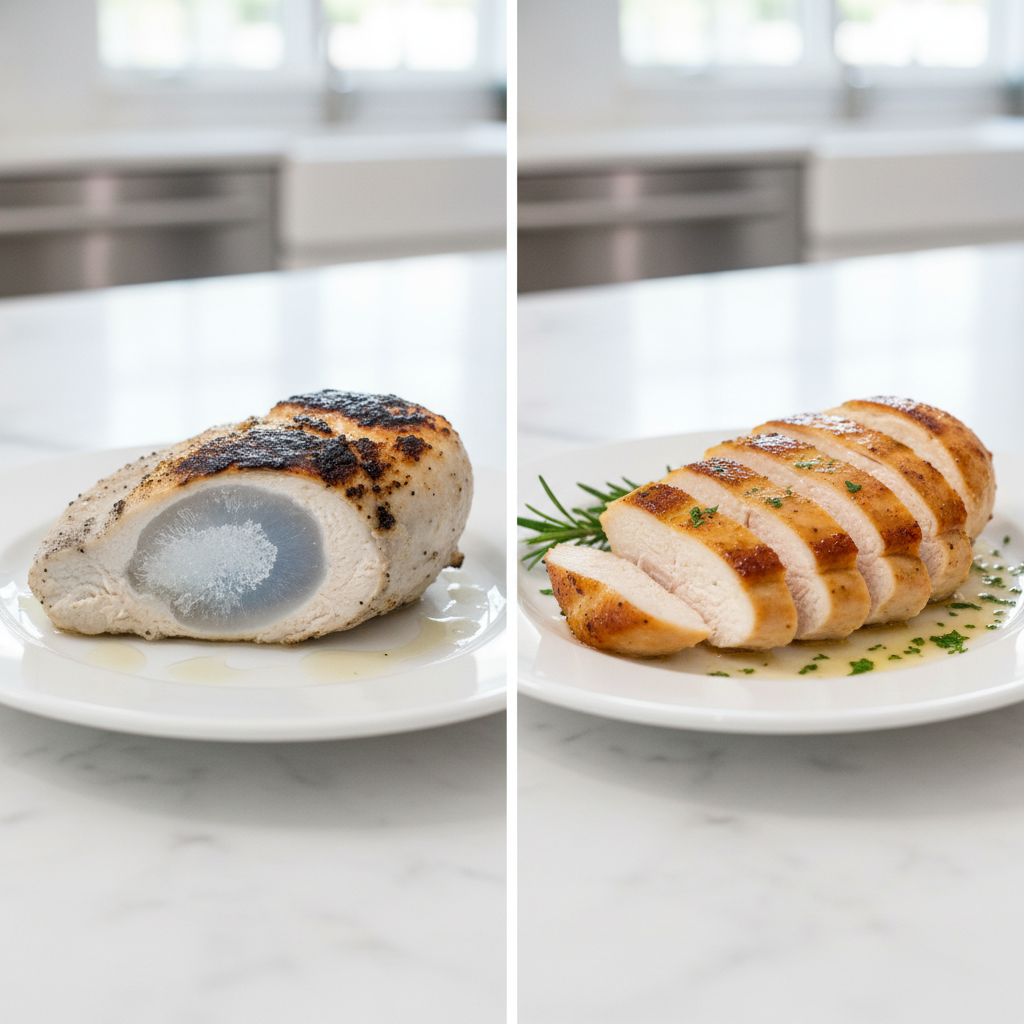
Why Frozen Chicken Cooks Badly (& How to Fix It)
why frozen chicken cooks badly. Frozen chicken cooks badly primarily due to extreme temperature differences causing uneven cooking and significant moisture loss from damaged ice crystals during slow freezing.
why frozen chicken cooks badly. Dinner time is closing in, you open the freezer, and there it is: a rock-solid block of chicken. You’re tempted to just toss it in the pan, but you remember the last time—a meal that was somehow rubbery on the outside and still icy on the inside. It’s a common kitchen nightmare! But don't worry, your dinner isn't doomed! With the right defrosting technique, you can get a perfectly juicy result every single time.
why frozen chicken cooks badly. Want to create your own custom recipes? Try our AI-powered recipe generator for personalized cooking solutions tailored to your ingredients and preferences.
The Science Behind Why Frozen Chicken Cooks Badly
why frozen chicken cooks badly. When you freeze chicken, water within its muscle cells turns into ice crystals. If frozen slowly (like in a home freezer), these crystals become large and jagged, piercing cell walls. Cooking from frozen creates extreme temperature differences: the outside cooks rapidly, while the core remains icy. As the interior thaws, damaged cell walls release moisture, leading to a watery pan and dry, rubbery chicken.
why frozen chicken cooks badly. Uneven cooking also poses a food safety risk. The exterior might seem done, but the center can remain in the 'Danger Zone' (40°F to 140°F), where bacteria multiply rapidly. The safe internal temperature for chicken is 165°F (74°C), as recommended by the Food Standards Agency.
| Temperature Range | What's Happening |
|---|---|
| 40°F to 140°F (4°C to 60°C) | The "Danger Zone": Bacteria can double in number in as little as 20 minutes. |
| Below 40°F (4°C) | Refrigeration: Slows bacterial growth. |
| 165°F (74°C) | Safe internal temperature for chicken, killing harmful bacteria. |
5 Foolproof Methods for Defrosting Chicken
why frozen chicken cooks badly. The secret isn't in the cooking, but in the thawing. Here are the best methods, from the gold standard to the in-a-pinch emergency fix.
1. The Planner’s Method: Refrigerator Thawing
This is the slow-and-steady, gold-standard method. Move frozen chicken from the freezer to the refrigerator, placing it in a container to catch drips. Plan on about 24 hours for every 4-5 pounds of chicken; individual pieces may take overnight.
Pro Tip: Keep chicken on the bottom shelf to prevent contamination. According to the USDA, chicken thawed this way can be safely refrozen.
2. The Quick Method: Cold Water Bath
This is your best bet for a relatively fast thaw. Place chicken in a leak-proof zip-top bag, removing air. Submerge the bag in a large bowl of cold tap water. Change the water every 30 minutes to keep it cold. A pound of chicken thaws in an hour or less; a 3-4 pound bird may take 2-3 hours.
Pro Tip: Never use hot water; it raises the outer layer into the temperature danger zone, promoting bacterial growth while the inside remains frozen.
3. The Emergency Method: Microwave Defrosting
Use this method as a last resort. Place unwrapped chicken on a microwave-safe plate and use the "defrost" setting. Flip or rotate the chicken every few minutes for even thawing. You must cook the chicken immediately after thawing, as some parts may have started to cook.
Pro Tip: Edges and thinner parts can cook and turn rubbery. Shield thin parts with foil (if your microwave manual allows). This method often leads to dry texture, so watch closely.
4. The “No Time” Method: Cooking Directly from Frozen
Yes, you can cook chicken from frozen, but with caveats. This works best for gentle, ambient heat cooking techniques like baking, simmering, or pressure cooking. It is not recommended for pan-searing or grilling. Increase cooking time by about 50%. Use a reliable instant-read thermometer to ensure the thickest part reaches 165°F (74°C). For more on temperatures, see our guide on why chicken may still be pink.
Pro Tip: When baking from frozen, a lower oven temperature (around 350°F) for a longer time helps even cooking without burning the outside.
5. The High-Tech Method: Sous Vide from Frozen
Sous vide is excellent for cooking frozen proteins. Drop vacuum-sealed frozen chicken (seasoned before freezing) directly into your preheated water bath. Add 30 to 60 minutes to the normal cooking time. The precise water temperature ensures safe, perfectly cooked chicken without overcooking.
Pro Tip: After sous vide, quickly sear the chicken in a cast-iron skillet for a golden-brown crust.
How to Prevent Badly Cooked Frozen Chicken in the Future
A little prep work when you get home from the grocery store will save you a world of dinner-time frustration.
- Freeze It Flat and Fast: Faster freezing creates smaller ice crystals. Separate chicken pieces, flash freeze them on a parchment-lined baking sheet for 1-2 hours, then transfer to a freezer bag. This prevents clumping and speeds freezing.
- Portion Control: Freeze chicken in the portion sizes you'll use most often. Thawing individual breasts is faster than a large family pack.
- Remove Air: Air causes freezer burn and promotes ice crystal formation. Squeeze as much air as possible from freezer bags. A vacuum sealer is ideal.
- Label Everything: Use a permanent marker to label bags with contents and freeze date.
- Plan Your Week: Move needed items from the freezer to the fridge a day or two in advance based on your meal plan.
Frequently Asked Questions
Why does frozen chicken cook badly if I don't thaw it properly?
Frozen chicken cooks badly when not thawed because of large ice crystals damaging cell walls, leading to significant moisture loss. This results in dry, rubbery chicken and a watery pan, as the outside overcooks while the inside struggles to thaw.
What is the main reason why frozen chicken cooks badly and ends up dry?
The primary reason why frozen chicken cooks badly and turns out dry is the formation of large ice crystals during slow freezing. These crystals pierce the chicken's muscle cells, causing moisture to be released and evaporated during cooking, rather than remaining in the meat.
Are there food safety risks associated with why frozen chicken cooks badly when cooked directly from frozen?
Yes, there are significant food safety risks if frozen chicken cooks badly when cooked directly from frozen. The exterior may appear done, but the center can remain in the "Danger Zone" (40°F to 140°F) where bacteria multiply rapidly, posing a health hazard.
Why does my chicken turn rubbery when frozen chicken cooks badly from frozen?
Your chicken turns rubbery when frozen chicken cooks badly from frozen because of uneven cooking and excessive moisture loss. The rapid temperature change causes the outer layers to seize up and overcook, while the interior's damaged cells release moisture, leaving the meat tough and dry.
How can I avoid why frozen chicken cooks badly and ensure juicy results?
To avoid why frozen chicken cooks badly and get juicy results, the key is proper defrosting before cooking. Methods like refrigerator thawing or cold water thawing allow the chicken to thaw evenly, preserving its cell structure and moisture content for a tender outcome.