
Dry Oven Chicken? You're Making This One Temperature Mistake
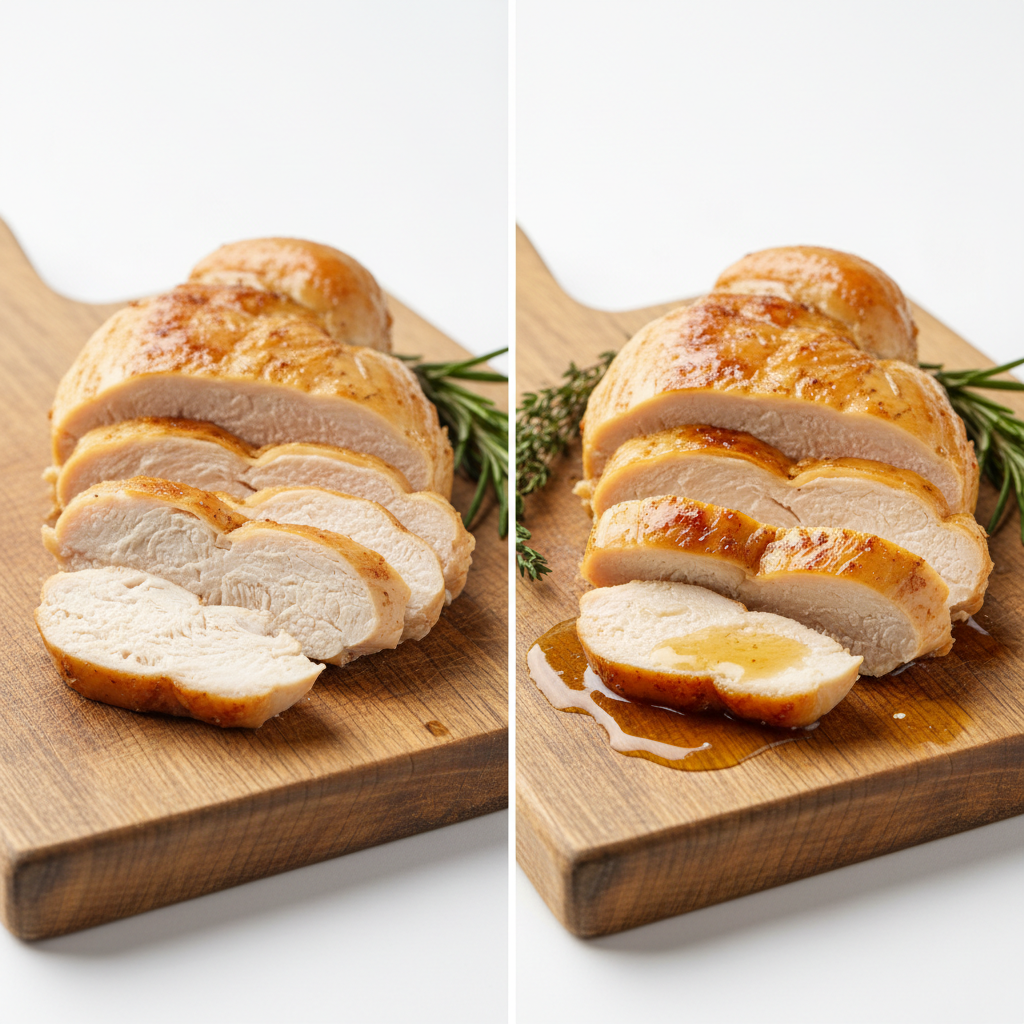
Why Your Chicken Dries Out in the Oven & How to Fix It
Why Does My Chicken Dry Out in the Oven. Your chicken dries out in the oven primarily due to overcooking, insufficient moisture, or using cuts prone to dryness, all of which cause protein fibers to contract and expel essential water.
Why Does My Chicken Dry Out in the Oven. The timer dings. You pull out a tray of beautifully golden-brown chicken, the skin is crisp, and it smells heavenly. But when you slice into it, the magic disappears. Instead of a juicy, tender bite, you're met with a dry, chalky texture. If you're constantly asking, "Why does my chicken dry out in the oven?", you're not alone. The answer usually boils down to a few key culprits: overcooking, choosing the wrong cut, or not giving the chicken enough moisture to begin with. But don't worry, these are all easy problems to solve for good.
Why Does My Chicken Dry Out in the Oven. Want to create your own custom recipes? Try our AI-powered recipe generator for personalized cooking solutions tailored to your ingredients and preferences.
The Science Behind Dry Oven-Baked Chicken
Why Does My Chicken Dry Out in the Oven. Raw chicken muscle is about 75% water, held within protein fibers. As chicken heats, proteins change shape and shrink, a process called protein denaturation. This contraction squeezes out water. While some water loss is normal, excessive heat causes fibers to contract too tightly, expelling nearly all moisture, resulting in a stringy, dry texture. Dark meat, with more fat and connective tissue, retains moisture better.
Why Does My Chicken Dry Out in the Oven. Understanding target temperatures is crucial.
| Chicken Part | Target Internal Temp (F/C) | What Happens When Overcooked |
|---|---|---|
| Breast (White Meat) | 160-165°F / 71-74°C | Becomes chalky, stringy, and dry quickly. |
| Thigh/Leg (Dark Meat) | 170-175°F / 77-79°C | More forgiving, but can become tough. |
5 Quick Fixes for When Your Chicken Dries Out in the Oven
Why Does My Chicken Dry Out in the Oven. Here are five foolproof fixes to guarantee juicy, flavorful results.
1. Use a Meat Thermometer
The Problem: Guessing cooking times leads to overcooked chicken.
The Fix: Use an instant-read digital thermometer. Insert it into the thickest part, avoiding bone. For breasts, remove at 160°F (71°C); for thighs, 170°F (77°C).
Pro Tip: Account for carryover cooking. The temperature rises 5-10 degrees after removal. Pull chicken just before target temperature.
2. Brine or Marinate Before Baking
The Problem: Lean chicken breast lacks fat to retain moisture.
The Fix: Brining (salt and water solution) helps meat absorb extra moisture and seasoning, acting as an insurance policy against dryness. Soak for 30 minutes to 4 hours. For details, see Serious Eats on brining.
Pro Tip: Try a dry brine. Season generously with salt (1/2 tsp per pound) and refrigerate uncovered for hours or overnight. Salt draws out moisture, dissolves, and is reabsorbed, seasoning deeply and crisping skin.
3. Choose the Right Cut of Meat
The Problem: Boneless, skinless chicken breasts are lean and easily dry out.
The Fix: Opt for dark meat like thighs and drumsticks. Their fat and connective tissue melt, basting the meat and keeping it succulent. They are more flavorful and harder to overcook. If using breasts, choose bone-in, skin-on for better moisture retention and even cooking.
Pro Tip: If chicken is consistently dry and tough, dark meat's fat and collagen help. See our post on why chicken might be tough.
4. Control the Oven Environment
The Problem: Dry oven air wicks away moisture.
The Fix: Introduce moisture by placing a pan of hot water on a lower rack to create steam. Alternatively, bake at a higher temperature (400-425°F / 200-220°C) for a shorter time to cook quickly before drying.
Pro Tip: If skin browns too fast, tent with aluminum foil to shield it while the inside cooks.
5. Let It Rest!
The Problem: Slicing hot chicken immediately causes juices to escape.
The Fix: Resting is crucial. Hot muscle fibers are tense and have expelled juices. Resting allows fibers to relax and reabsorb juices, resulting in a more flavorful and moist bite. Skipping this can lead to a rubbery texture, as discussed in our guide to why chicken gets rubbery.
Pro Tip: Rest chicken for at least 10-15 minutes before carving, tented loosely with foil to keep warm. Larger pieces require longer rest times.
How to Prevent Your Chicken From Drying Out in the Future
Why Does My Chicken Dry Out in the Oven. Keep these preventative tips in mind for perfect chicken every time.
- Always Use a Meat Thermometer: Cook to temperature, not time. For safe cooking temperatures, consult guidance from the Food Standards Agency.
- Brine Your Lean Meats: Make brining standard for chicken breasts.
- Choose Forgiving Cuts: Embrace bone-in, skin-on cuts or dark meat.
- Cook it Hot and Fast: For boneless breasts, higher temperature, shorter duration yields juicier results.
- Don't Skip the Rest: Let chicken rest for 10 minutes before slicing to lock in juices.
Frequently Asked Questions
Is it better to bake chicken at a high or low temperature to keep it moist?
For lean, boneless, skinless chicken breasts, a higher temperature (400-425°F) for a shorter time is often best, cooking it quickly. For larger, bone-in pieces or whole chickens, a moderate temperature (375°F) allows even cooking without burning the skin. Always ensure chicken reaches a safe internal temperature, as recommended by the USDA Food Safety and Inspection Service.