
Eating on Ozempic: A Beginner's Guide to Your First Month
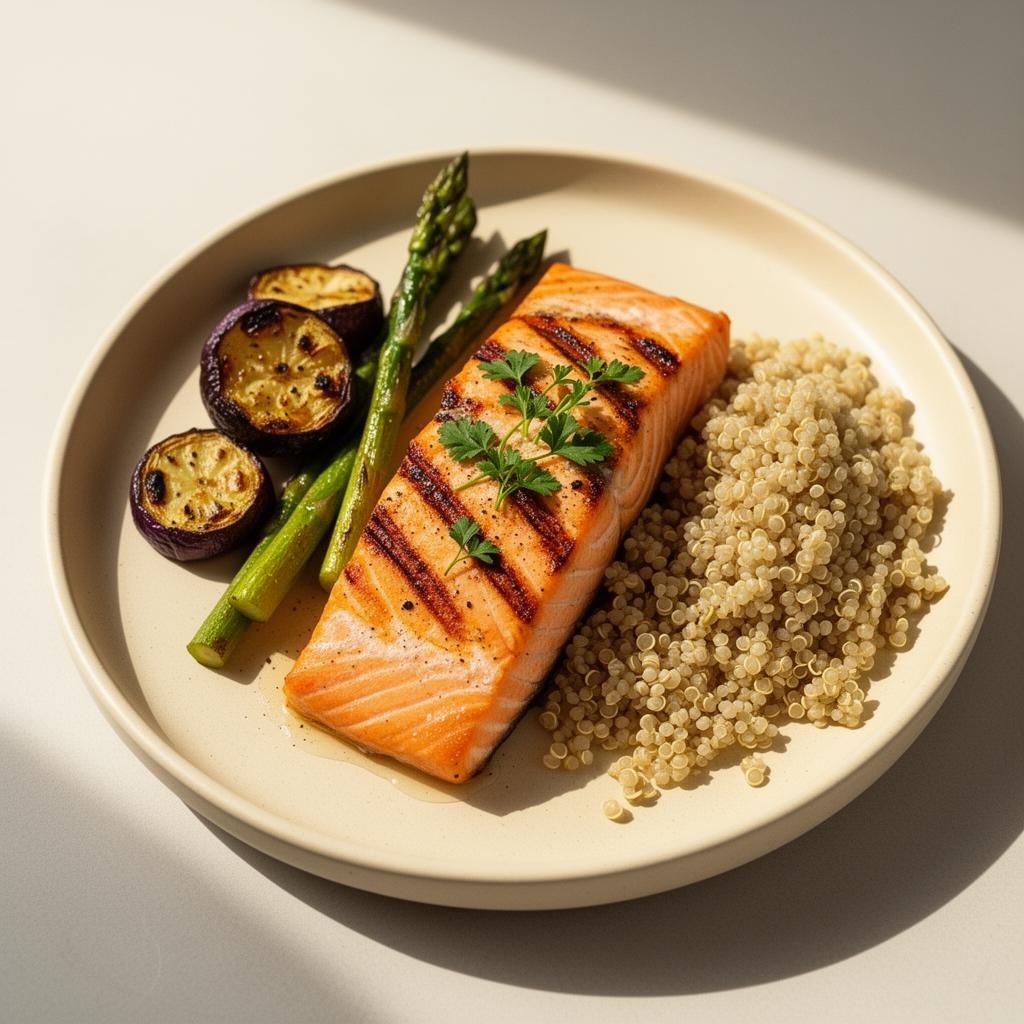
Navigating Your First Month of Eating on Ozempic
Embarking on a GLP-1 medication like Ozempic (semaglutide) is a significant step towards managing blood sugar and weight. While the medication works wonders, how and what you eat plays a crucial role in your success and comfort. This guide focuses on eating on Ozempic during your initial month, offering practical advice and setting realistic expectations. Remember, this is food guidance, not medical advice.
Week 1: The Introduction Phase
Your first dose of Ozempic is typically the lowest (0.25 mg). The primary goal this week is to introduce your body to the medication without overwhelming it. You might not feel a drastic shift in appetite immediately, but subtle changes can occur. Your stomach might feel fuller faster, and rich or fatty foods that were once enjoyable could now feel heavy.
- Focus on hydration: Drink plenty of water throughout the day. Dehydration can exacerbate common side effects like nausea and constipation.
- Small, frequent meals: Instead of three large meals, opt for 4-5 smaller meals or snacks. This helps prevent overeating and discomfort.
- Lean protein first: Prioritize lean protein sources at each meal. This supports satiety and muscle mass. Think plain chicken, turkey, fish, eggs, or low-fat dairy.
- Gentle carbohydrates: Opt for easily digestible carbs like plain white rice, toast, or crackers if you experience any queasiness.
Side effects during Week 1 are usually mild, such as mild nausea or stomach upset. Listen to your body and don't force yourself to eat if you're not hungry.
Week 2: The Appetite Cliff – Prepare for Change
This is often where many people experience the most noticeable changes, sometimes referred to as the "appetite cliff." As your body adjusts to the medication, you might find your appetite significantly reduced, almost as if a switch has been flipped. Cravings can diminish, and food thoughts lessen. This is the GLP-1 doing its job in slowing gastric emptying and signaling satiety to your brain.
- Even smaller portions: You will likely need to adjust your portion sizes downwards significantly.
- Prioritize nutrients: Because you're eating less, every bite counts. Focus on nutrient-dense foods.
- Protein remains king: Continue to prioritize protein. Aim for 70-100+ grams daily, split across your meals. For more detailed guidance, see our article on how much protein on GLP-1.
- Stay hydrated, especially with electrolytes: If you're eating less, you might also be taking in fewer electrolytes. Consider adding electrolyte-rich fluids or supplements.
Nausea can intensify this week for some. Bland foods are your friend. For specific strategies, visit our post on GLP-1 nausea: what to eat.
Week 3 & 4: Solidifying Habits and Navigating Shifts
By weeks 3 and 4 (assuming a continued 0.25mg dosage or a 0.5mg dose introduced at week 4), your body is likely becoming more accustomed to the medication. The initial intensity of side effects might subside for some, while others may still be adjusting. This is an excellent time to solidify healthy eating patterns that will serve you long-term.
Taste and Smell Shifts
Many individuals on Ozempic report changes in taste and smell. Foods that were once appealing might now seem bland, metallic, or even off-putting. Conversely, you might develop a new appreciation for milder flavors.
- Experiment with seasonings: Use herbs, spices, and lemon/lime juice to enhance flavors without adding excess fat.
- Revisit foods: Don't be afraid to try foods you didn't enjoy before, or revisit old favorites that now taste different.
- Avoid strong odors: If cooking smells are an issue, opt for simple, minimally processed foods that require less active preparation.
Foods That Sit Well on Slowed Digestion (What to Stock)
Due to the slowed gastric emptying, certain foods are typically better tolerated:
- Lean Proteins: Chicken breast, turkey, white fish (cod, tilapia), eggs, Greek yogurt, cottage cheese, protein powder (unflavored or mildly flavored).
- Non-Starchy Vegetables: Steamed or roasted broccoli, green beans, spinach, zucchini, salads (with light dressing).
- Mild Fruits: Berries, melon, peaches, apples (peeled if skin is bothersome).
- Whole Grains (in moderation): Oats, quinoa, brown rice (small portions).
- Healthy Fats (in small amounts): Avocado, nuts, seeds, olive oil (use sparingly).
- Clear Broths/Soups: Excellent for hydration and some nutrients.
What to Skip (or Severely Limit)
These foods are notorious for causing discomfort when eating on Ozempic, especially in the first month:
- High-Fat Foods: Fried foods, greasy meats (sausage, bacon), creamy sauces, fast food. These sit in your stomach even longer due to slowed digestion, leading to nausea, heartburn, and bloating.
- Sugary Foods and Drinks: Candies, cakes, sodas, fruit juices. They can cause rapid blood sugar spikes and crashes, and contribute to an upset stomach.
- Highly Processed Foods: Chips, processed snacks, pre-packaged meals often contain high levels of fat, sugar, and artificial ingredients that can be hard on your system.
- Spicy Foods: Can irritate an already sensitive digestive tract.
- Alcohol: Can worsen dehydration and exacerbate side effects like nausea.
A Sample Daily Eating Structure for Your First Month
This is a template; adjust based on your hunger cues and tolerance.
- Breakfast: Small Greek yogurt with a few berries, or scrambled eggs with a slice of whole-wheat toast.
- Mid-Morning Snack (optional, if hungry): Hard-boiled egg or a small handful of almonds.
- Lunch: Small portion of grilled chicken or fish with steamed non-starchy vegetables.
- Mid-Afternoon Snack (optional): Cottage cheese or a protein shake.
- Dinner: Another light protein source like turkey meatballs (lean) with a small portion of quinoa or green beans.
- Evening Snack (optional, if absolutely necessary): A few bites of plain yogurt.
Remember to sip water or other non-caloric beverages throughout the day.
What to Do Today: Quick Actionable Steps
- Hydrate constantly.
- Prioritize protein at every meal.
- Eat small, frequent portions.
- Minimize high-fat and sugary foods.
- Stock up on bland, easily digestible options.
- Keep a food and symptom journal.
Frequently Asked Questions About Eating on Ozempic
Q: I’m constantly nauseous. What should I do?
A: Focus on bland, low-fat foods like plain crackers, toast, rice, chicken broth, and clear liquids. Avoid strong smells and very hot or cold foods. If nausea persists or is severe, contact your healthcare provider. Sometimes, eating very small amounts, even when you don't feel like it, can prevent your stomach from becoming completely empty, which can sometimes worsen nausea. For more in-depth advice, check out our guide on managing GLP-1 nausea.
Q: Why do I feel full after just a few bites?
A: Ozempic slows down gastric emptying, meaning food stays in your stomach longer. It also impacts the satiety signals sent to your brain. This combination makes you feel full much faster and for longer periods. This is a key mechanism of how the medication works. Listen to these signals and stop eating when you feel satisfied, not stuffed.
Q: Can I still eat my favorite foods occasionally?
A: While the first month is largely about adjustment and side effect management, moderation is key long-term. As your body adapts, you might find you can tolerate small portions of less ideal foods on occasion. However, many people find their preferences naturally shift away from high-fat or sugary items because they simply don't feel good after eating them. For healthy and delicious recipes tailored for GLP-1 users, explore our Cooking for GLP-1: The Complete Guide.
Adjusting to eating on Ozempic is a journey, not a sprint. Be patient with yourself, listen to your body, and don't hesitate to consult your doctor or a registered dietitian if you have concerns or need personalized advice. Your first month sets the stage for success, helping you build sustainable habits. For further resources and recipes designed to support your journey, consider our GLP-1 High-Protein Dinners cookbook and learn more about GLP-1 medications from reputable sources like the Mayo Clinic.
Frequently Asked Questions
What should I eat during the first week of eating on Ozempic?
During Week 1, focus on hydration, small, frequent meals, and prioritizing lean protein first. Opt for gentle carbohydrates like plain white rice or toast if you experience any queasiness to ease your body into eating on Ozempic.
How much protein should I aim for when eating on Ozempic, especially in the first month?
Protein remains crucial, especially as your appetite decreases. Aim for 70-100+ grams of protein daily, split across your meals, to maintain satiety and muscle mass while eating on Ozempic.
What are common early side effects to expect when eating on Ozempic and how can I manage them?
Mild nausea and stomach upset are common in the first week. Staying well-hydrated, opting for small, frequent meals, and choosing easily digestible foods can help manage these side effects while eating on Ozempic.
Why might my appetite change significantly during the second week of eating on Ozempic?
Week 2 often brings an "appetite cliff" as the GLP-1 in Ozempic starts to significantly slow gastric emptying and increase satiety signals to your brain. This means a noticeable reduction in appetite and cravings when eating on Ozempic.
How should I adjust my portion sizes when eating on Ozempic after the first week?
As your appetite decreases, you will likely need to adjust your portion sizes downwards significantly. Since you'll be eating less, prioritize nutrient-dense foods to ensure every bite counts when eating on Ozempic.