
GLP-1 Nausea: What to Eat (and Avoid) When Food Feels Hard
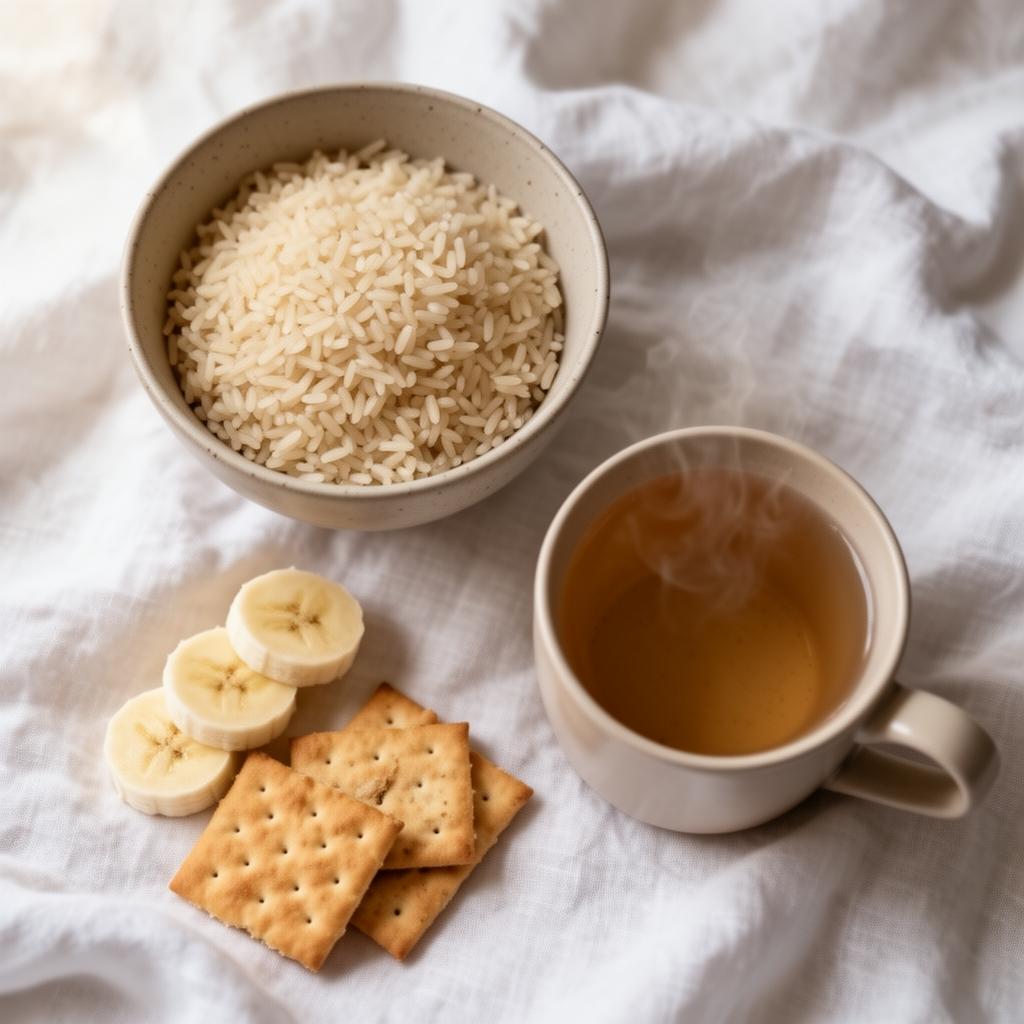
The Patterns of GLP-1 Nausea: More Than Just a Side Effect
There’s a rhythm to GLP-1 nausea that many people don't talk about. It’s not just a constant, vague queasiness. For many, it swells and subsides in a predictable pattern tied to your injection day, the time you eat, and—most importantly—what you eat. Understanding this rhythm is the key to managing your GLP-1 nausea food choices and regaining a sense of control over your meals. This isn't about generic advice to "eat bland food"; it's about decoding your body's new signals so you can cook and eat with confidence.
As a reminder, this content is for informational purposes about cooking and food choices. It is not medical advice. Please consult with your healthcare provider for medical guidance.
The feeling of being uncomfortably full after just a few bites, the aversion to old favorites, the low-grade, persistent queasiness—it can be disheartening. But what if you could anticipate the nausea and plan for it? What if you knew exactly what to stock your fridge with for dose day, and what meals to enjoy later in the week? You can. Let's map it out.
Decoding the 'Why': GLP-1 Mechanics and Nausea
To effectively manage nausea, it helps to understand its source. GLP-1 medications like Ozempic, Wegovy, and Mounjaro work in part by slowing down gastric emptying. This means food stays in your stomach longer, which helps with satiety and blood sugar control. It's a core feature of how these medications help with weight loss and glucose management, as demonstrated in major clinical trials like the STEP and SURMOUNT series.
However, this same mechanism is the primary driver of nausea. When food sits in your stomach longer, it can increase pressure and lead to feelings of over-fullness, bloating, and queasiness. It's an incredibly common and well-documented side effect. For instance, the official prescribing information for Wegovy notes that in clinical trials, up to 44% of patients experienced nausea. The good news is that for many, this effect lessens over time. Even better, you can manage it proactively through smart food choices.
The Dose-Day Cycle: How to Plan Your Meals Around Your Injection
One of the most powerful patterns to recognize is the dose-day cycle. Many users report that side effects, especially nausea, peak in the 24 to 72 hours following their weekly injection. This is when the concentration of the medication in your system is rising towards its weekly peak. You can use this knowledge to your advantage.
Your Weekly Eating Strategy
- Days 1-3 (Post-Injection): Treat these as your "safe and simple" days. This is not the time to try a new restaurant or cook a rich, heavy meal. Focus on the gentle, low-fat foods we’ll outline below. Think small, frequent, and bland-ish.
- Days 4-7 (Pre-Injection): As the week progresses, you may notice the nausea subsiding. This is your window to enjoy slightly more variety and richer flavors. You might have a more substantial protein portion or a dish with a bit more healthy fat. It's a great time to experiment with recipes from our GLP-1 High-Protein Dinners cookbook, perhaps modifying them to be a bit simpler earlier in the week.
This simple act of planning your menu around your medication schedule can transform your week. If you're just starting your journey, our Eating on Ozempic: A Beginner's Guide to Your First Month provides more foundational tips for these early days.
Your Anti-Nausea Pantry: Cold, Bland, and Low-Fat Foods That Work
When nausea hits, your instinct for what to eat is often correct: simple. But "simple" doesn't have to mean nutritionally empty. The goal is to choose foods that are easy on the stomach, don't have overwhelming smells, and move through your system without causing a traffic jam.
The "Safe Foods" Map
- Cool or Cold Foods: Temperature makes a difference. Strong smells can be a major nausea trigger, and cold food is less aromatic.
Try: Plain Greek yogurt, cottage cheese, a simple protein smoothie (with unflavored protein powder), chilled shrimp, cold-steamed asparagus, or even a few spoonfuls of apple sauce. - Bland (but Nutrient-Dense) Foods: "Bland" refers to the low level of fat, spice, and aggressive seasoning—not a lack of nutrition.
Try: Poached chicken breast, flaky white fish (cod, tilapia), scrambled egg whites, plain oatmeal, congee (rice porridge), or broth-cooked quinoa. These are staples in our broader Cooking for GLP-1: The Complete Guide. - Low-Fat Foods: This is the most crucial category. Fat is the slowest macronutrient to digest. When you add high-fat food to a system with already-delayed gastric emptying, you're asking for trouble.
Try: Baked potato instead of french fries, grilled fish instead of fried, skinless poultry, and use cooking spray instead of pools of oil.
Sometimes persistent nausea can lead to strong sudden food aversions. Having a mental list of these safe, neutral foods can be a lifesaver when nothing sounds good.
The 'Not Now' List: Common Triggers and Their Mechanisms
Just as important as knowing what to eat is knowing what to put on pause. These aren't "bad" foods, but they are common culprits for exacerbating nausea on a GLP-1 medication.
Foods to Limit During Nausea Peaks
- High-Fat, Greasy, or Fried Foods: This is public enemy number one. Fatty cuts of meat (ribeye, pork belly), creamy sauces (Alfredo, hollandaise), and anything deep-fried will sit in your stomach like a lead weight. The combination of slow-moving fat and GLP-1-induced slow digestion is a recipe for nausea and discomfort.
- High-Volume Meals: A giant salad or a huge bowl of soup might seem healthy, but the sheer volume can be a trigger. Your stomach's capacity feels smaller due to the slowed emptying. Eating a large meal physically stretches the stomach wall, sending signals of being "over-full" much faster. This is why mastering portion control on GLP-1 is less about restriction and more about comfort.
- Very Sweet Foods and Drinks: Rich desserts, candy, and sugary sodas can be problematic. For some, they can cause rapid shifts in blood sugar or even "dumping syndrome"-like symptoms, which include nausea, cramping, and dizziness.
- Heavy Spices and Aggressive Flavors: While you might love spicy curry or garlic-heavy dishes, these can be irritating to a sensitive stomach. Tone them down, especially in the first few days after your injection.
Actionable Steps for Immediate Relief
Feeling overwhelmed? Let's make this practical. Here are a few things you can do today to get ahead of the nausea.
- Check your calendar: Note your injection day. Mentally prepare for an easier menu for the next 2-3 days. Consider GLP-1 meal prep centered around simple, pre-portioned items.
- Hydrate between meals: Sip water, broth, or an electrolyte drink. Avoid chugging a large glass of water right before you eat, as this adds to stomach volume.
- Identify your go-to "safe snack": Find one or two things you know you can tolerate. A small cup of yogurt, a few plain crackers, or a hard-boiled egg white. Having it on hand prevents you from getting overly hungry, which can worsen nausea.
- Eat before you're starving: An empty, acidic stomach is a nauseous stomach. Small, regular bites are your friend.
- Take a walk: Gentle movement after a small meal can sometimes aid digestion and alleviate the feeling of fullness. Don't do strenuous exercise, but a calm 10-minute walk can help.
Frequently Asked Questions About GLP-1 Nausea
Should I just not eat if I feel nauseous?
In most cases, no. An empty stomach can increase acid and make nausea worse. The key is to eat something very small and very simple. Try a few saltine crackers, a small piece of toast, a few sips of bone broth, or a spoonful of plain yogurt. Think "micro-meals" to keep the acid at bay without overwhelming your system.
Does experiencing nausea mean the medication is working better?
Nausea is a direct result of one of the medication's primary mechanisms (slowed digestion), so in that sense, it's a sign the drug is active in your system. However, the severity of side effects does not correlate perfectly with the degree of weight loss or A1c reduction. Many people experience tremendous success with minimal or no nausea. If your nausea is severe or unmanageable, it's crucial to speak with your prescriber.
Will this nausea ever go away?
For a majority of people, nausea is most pronounced during the initial titration phase (when your dose is being increased) and tends to lessen significantly once you reach a stable, maintenance dose. Your body often adapts. Using the strategies outlined here can make the adaptation period far more comfortable and sustainable.
Navigating the side effects of GLP-1s is a learning process, rewarding you with a deeper understanding of your body. By recognizing the patterns of nausea and arming yourself with the right food strategies, you can shift from feeling controlled by the side effects to being in control of your journey. As you get more comfortable, you can explore more complex recipes that still prioritize the protein and nutrients you need.
When you're ready to move beyond plain chicken and yogurt, our GLP-1 High-Protein Dinners cookbook is filled with delicious, satisfying meals designed with these principles in mind. It's all part of the larger journey of learning how to cook and eat for this new chapter, which we cover in detail in our Cooking for GLP-1: The Complete Guide.