
Protein on GLP-1: How Much You Actually Need (and How to Hit It)
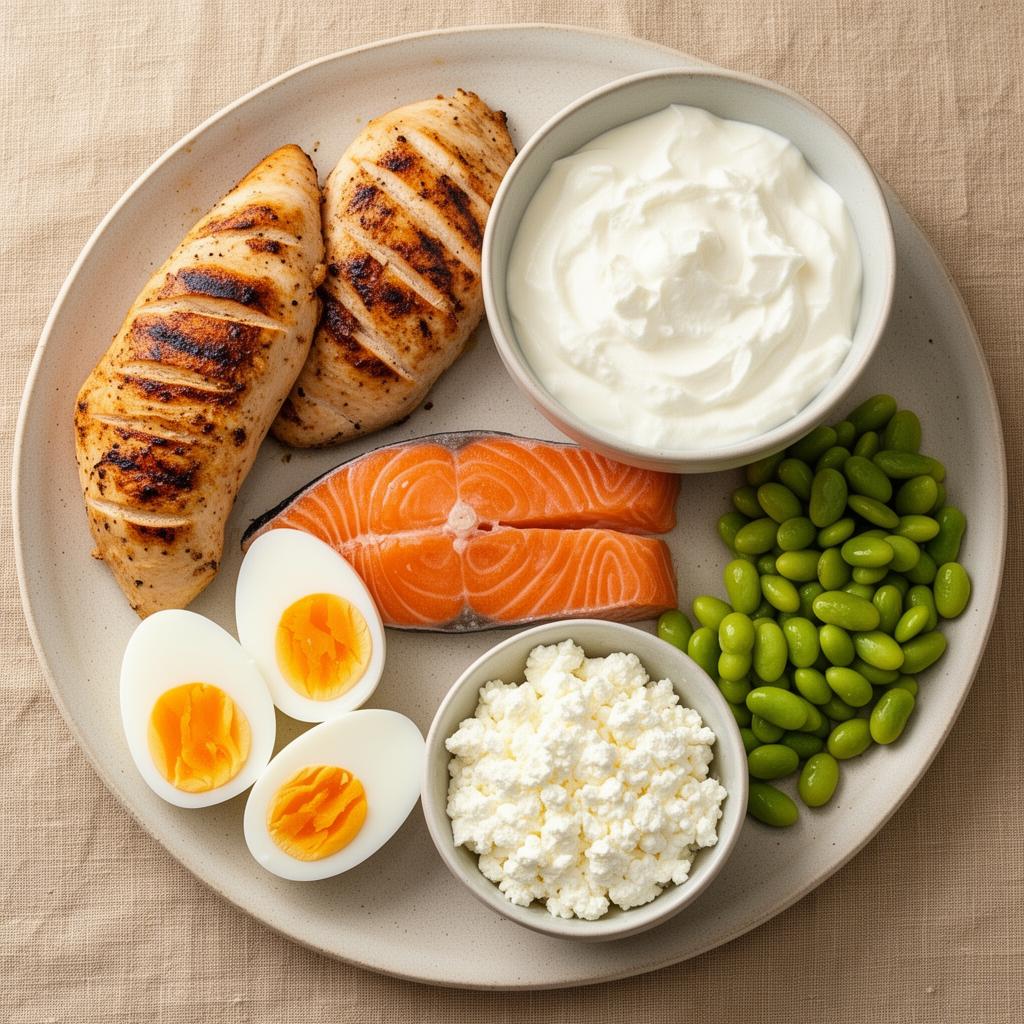
How Much Protein Do You Need on a GLP-1 Medication?
When you first start a GLP-1 medication like semaglutide or tirzepatide, your focus is likely on the number on the scale. Watching it go down week after week is validating. But not all weight loss is created equal. The big question we should be asking isn't just “How much weight am I losing?” but “What kind of weight am I losing?” The powerful effects of these medications mean we have to be strategic about our food choices, and that starts with prioritizing protein on GLP-1 journey. Losing weight is the goal, but preserving precious, metabolically active muscle mass is the key to making that loss sustainable.
As a reminder, this article provides food and cooking strategies, not medical advice. Please consult with your prescribing physician or a registered dietitian for personalized medical and nutritional guidance.
Why Your Protein Needs Change on a GLP-1
GLP-1 receptor agonists are incredibly effective because they work on multiple fronts: they slow down gastric emptying (making you feel full longer), and they signal to your brain’s satiety centers that you’re not hungry. This leads to a spontaneous and significant reduction in calorie intake. For many, it's the first time they've been able to maintain a calorie deficit without fighting constant, gnawing hunger.
However, a large and sustained calorie deficit comes with a well-documented risk: the loss of lean body mass (which is everything that isn't fat, primarily muscle). When your body needs energy and isn't getting enough from food, it will pull from its reserves—both fat stores and, unfortunately, muscle tissue.
This isn't just a theoretical concern. The landmark STEP 1 clinical trial for semaglutide, published in The New England Journal of Medicine, found that while participants lost an average of nearly 15% of their body weight, a concerning portion of that was lean mass. Body composition analysis revealed that lean mass accounted for approximately 40% of the total weight lost. Losing muscle is counterproductive to long-term health and weight maintenance. Muscle is metabolically expensive; it burns more calories at rest than fat does. Losing it can lower your basal metabolic rate, making it harder to sustain your weight loss after you stop the medication or reach your goal.
The New Protein Target: How Much Is Enough?
The standard Recommended Dietary Allowance (RDA) for protein is 0.8 grams per kilogram of body weight (g/kg). For a 200-pound (91 kg) person, that’s about 73 grams of protein per day. While this amount is sufficient to prevent deficiency in a sedentary person eating at maintenance calories, it falls short for someone in a significant calorie deficit who is actively trying to preserve muscle mass.
In the context of GLP-1-induced weight loss, many obesity medicine specialists and dietitians recommend a significantly higher target: 1.2 to 1.6 grams of protein per kilogram of your ideal or target body weight. Using your ideal body weight for the calculation is often more practical, as calculating based on current weight can lead to an unachievably high number.
Let's make that simpler. For most people, this translates to a daily goal of 90-120 grams of protein. An easy way to visualize this is to aim for roughly 30 grams of protein at each of your three main meals, with a smaller protein-based snack or two in between.
A 30-gram serving of protein looks like:
- 4 ounces of cooked chicken breast
- 1 cup of Greek yogurt with a scoop of protein powder mixed in
- 5 ounces of firm tofu
- 1 cup of cottage cheese
- 4-5 large eggs
Strategies for Hitting Your Goal with a Shrunken Appetite
Knowing your target is one thing; hitting it when your appetite has vanished is another challenge entirely. The thought of eating a large chicken breast can be daunting. This is where strategy trumps volume. For a comprehensive overview of eating on these medications, you can check out our Cooking for GLP-1: The Complete Guide.
1. The Protein-First Rule
This is the single most effective rule for eating on a GLP-1. When you sit down for a meal, eat your protein source first. Before the roasted broccoli, before the quinoa, before the side salad. Your capacity is limited, and early satiety is real. By prioritizing the protein, you ensure you get the most crucial macronutrient for muscle preservation before you feel full.
This simple shift in ordering can make the difference between a meal that supports your goals and one that falls short. It's a key part of mastering portion control on GLP-1: eating enough without overdoing it, ensuring the 'enough' part includes what you need most.
2. Embrace Liquid and Soft Proteins
When chewing feels like a chore or solid food sits heavily in your stomach, liquids and soft textures are your best friends. Dense, dry foods are often the first to become unappealing on a GLP-1. Instead, turn to options that go down easily.
A high-quality protein shake can deliver 25-30 grams of protein in a few sips. Greek yogurt, skyr, and cottage cheese are excellent soft-textured choices that are packed with protein. Even savory options like bone broth can provide a gentle 10-15 grams of protein per serving while hydrating you. For those struggling with food aversions or nausea, these options can be a lifesaver. This is especially true when you feel like you can't eat at all, a common issue we discuss in our guide to GLP-1 nausea: what to eat (and avoid) when food feels hard.
3. Double-Up on Protein in Recipes
Get creative in the kitchen by adding a secondary protein source to your favorite meals. This is a simple way to increase the protein density of a dish without dramatically increasing the volume. Think of it as protein-stacking.
For example:
- Making chicken noodle soup? Add a can of cannellini beans or use protein-fortified pasta.
- Cooking ground turkey chili? Add a can of black beans or lentils.
- Making scrambled eggs? Melt in a slice of cheese or a scoop of cottage cheese.
- Baking muffins or pancakes? Swap some of the flour for unflavored protein powder or mix in blended cottage cheese.
4. Plan for Protein-Packed Snacks
Three meals a day may no longer work for you. Smaller, more frequent meals and snacks are often a better fit for the GLP-1 digestive process. Plan for snacks that work for you, not against you, by making them protein-centric. This is a foundational habit to build, especially if you're just starting out, as we cover in our Eating on Ozempic: A Beginner's Guide to Your First Month.
Great portable options include: hard-boiled eggs, cheese sticks, single-serving bags of roasted edamame, beef or turkey jerky, and individual containers of Greek yogurt.
Your "What-to-Do-Today" Protein Checklist
Feeling overwhelmed? Don't be. Start with these small, actionable steps today:
- Calculate Your Target: Pick an ideal weight and multiply it by 0.6 (for pounds) or 1.2 (for kilograms) to get a starting daily gram target. Don't stress about perfection; just get a number to aim for.
- Scan Your Kitchen: Look in your fridge and pantry right now. Identify three protein sources you have on hand.
- Plan One Protein-First Meal: For your very next meal, commit to eating the protein component first. Notice how it feels.
- Add One to Your List: Add one easy, high-protein item to your grocery list—like a tub of plain Greek yogurt, a quality protein powder, or a carton of liquid egg whites.
Don’t Forget Resistance Training: The Other Half of the Equation
You can't talk about protein for muscle preservation without talking about resistance training. Protein provides the building blocks for muscle, but exercise provides the stimulus for your body to use those blocks. Without a reason to keep your muscle, your body will be more inclined to break it down for energy.
This doesn't mean you need to become a competitive powerlifter. The goal is simply to signal to your muscles that they are needed. Just two to three sessions per week of resistance training can make a profound difference. This could include:
- Bodyweight exercises (squats, push-ups, planks)
- Using resistance bands
- Lifting dumbbells or kettlebells
- Using weight machines at a gym
Pairing a higher protein intake with regular resistance exercise is the most effective, evidence-based strategy for ensuring the weight you lose is primarily fat, not muscle. It's a cornerstone of any smart long-term strategy, an essential topic in our Cooking for GLP-1: The Complete Guide.
FAQ: Common Protein Questions on GLP-1s
Q: Will eating more protein make me feel more full or nauseous?
A: It can, as protein is a very satiating nutrient. This is why the strategies above are so important. Focus on smaller, more frequent protein servings rather than one huge, dense meal. Liquid and soft proteins like shakes and yogurt are often much better tolerated than a dry piece of grilled meat. Listen to your body and go slowly.
Q: Can I get enough protein from plants?
A: Absolutely, though it requires more mindful planning to ensure you're getting a complete amino acid profile and sufficient quantity. Prioritize sources like tofu, tempeh, edamame, lentils, chickpeas, seitan, nutritional yeast, and high-quality plant-based protein powders (like a soy or pea/rice blend). You may need to eat slightly larger volumes to hit the same protein numbers, so be strategic.
Q: What if I really can't hit 100g of protein every day?
A: Progress, not perfection. If you're currently only eating 50 grams a day, aiming for 70 grams is a huge win. The goal is to consistently provide your body with more building blocks than you were before. Any sustained increase will help mitigate muscle loss. Don't let the perfect be the enemy of the good; just keep protein top of mind.
Figuring out how to nourish your body while your appetite signals are scrambled can be tough. The key is to have a plan and delicious, appealing recipes that make hitting your protein goals feel effortless. To help you do just that, we created our GLP-1 High-Protein Dinners cookbook. Each recipe is designed with at least 30 grams of protein, incorporates gentle textures, and is perfectly portioned to support your health journey without leaving you feeling overly full.
Frequently Asked Questions
Why is focusing on protein so important when I'm on a GLP-1 medication?
Prioritizing protein on GLP-1 is crucial because while these medications help you lose weight, there's a risk of losing valuable muscle mass along with fat. Muscle is metabolically active and essential for sustainable weight management. Ensuring adequate protein intake helps preserve this crucial lean body mass.
How does being on a GLP-1 medication change my protein needs compared to before?
GLP-1 medications significantly reduce your calorie intake by slowing gastric emptying and increasing satiety, which can put you in a large calorie deficit. This deficit increases the risk of muscle loss, making a higher protein intake vital to counteract this effect and protect your lean body mass.
I'm seeing great weight loss on my GLP-1, but should I be worried about muscle loss?
Yes, the article highlights that a significant portion of weight lost on GLP-1 medications can be lean mass, as shown in studies like the STEP 1 trial. Losing muscle can lower your metabolism, making it harder to maintain weight loss long-term. This is precisely why strategic protein intake on GLP-1 is emphasized.
What is "lean body mass" and why do I need to preserve it when losing weight on GLP-1?
Lean body mass refers to everything in your body that isn't fat, primarily muscle. Preserving it is vital because muscle burns more calories at rest than fat, contributing to a higher basal metabolic rate. Losing muscle while on GLP-1 can make it more challenging to sustain your weight loss goals in the long run.
Are there specific signs I should look for that indicate I'm not getting enough protein on GLP-1?
The article primarily discusses the metabolic risks of insufficient protein, rather than direct signs. However, general indicators of inadequate protein include excessive fatigue, prolonged recovery from exercise, or a feeling of "flabby" instead of toned despite weight loss. Consulting your doctor or a dietitian can help assess your individual needs for protein on GLP-1.