
How to Make Frozen Vegetables Taste Better: 8 Easy Fixes
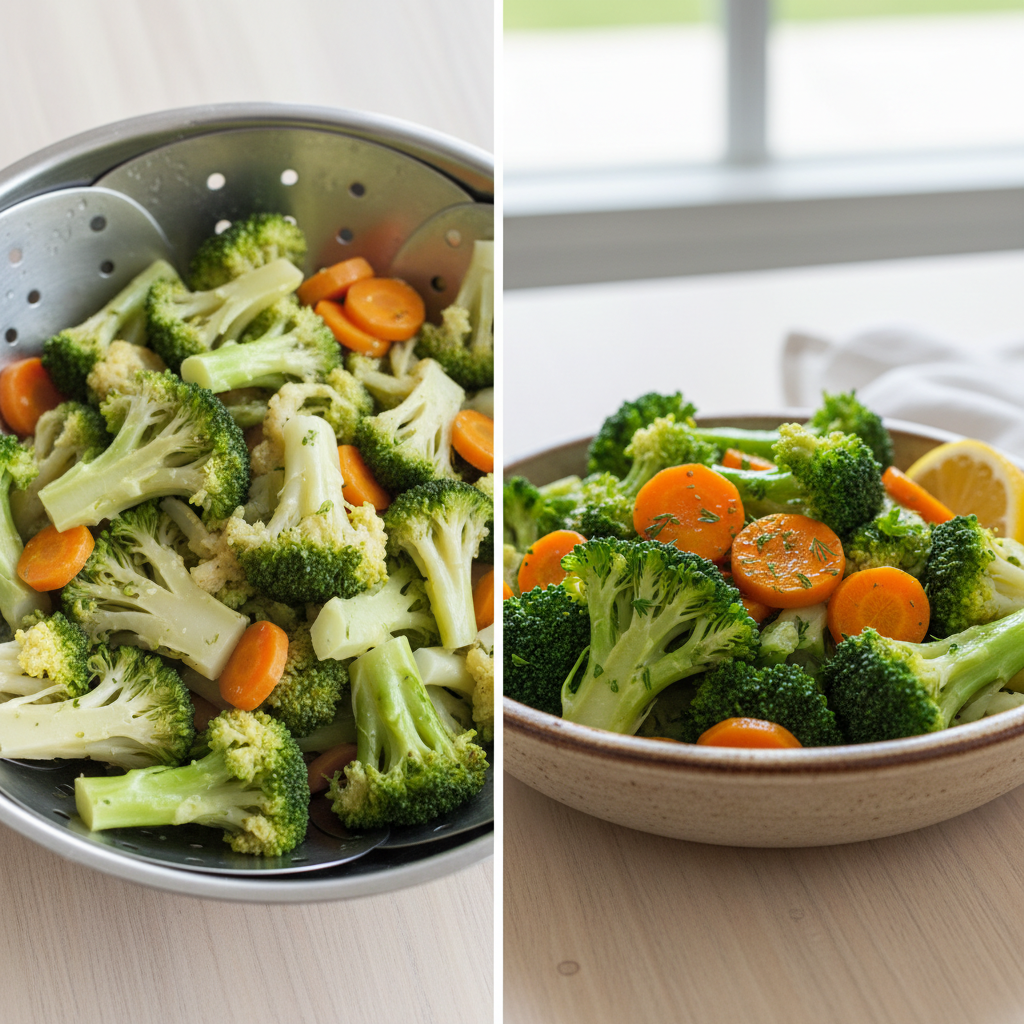
Frozen vegetables are convenient, affordable and ready whenever dinner needs rescuing. Their weak point is texture: cook them as if they were fresh and they can release water, turn soft and taste flat. The fix is to choose a method that manages that moisture, then add flavour at the right stage.
To make frozen vegetables taste better, use high heat for roasting or air-frying, avoid crowding the pan, season in layers and finish with acid, herbs, cheese or a savoury sauce. You usually do not need to thaw them first.
The quickest fix for bland frozen vegetables
Cook the vegetables until the excess water has evaporated, then add one ingredient from each of these groups:
- Fat: olive oil, butter, sesame oil or yoghurt.
- Salt and savouriness: salt, soy sauce, miso, Parmesan or feta.
- Acid: lemon juice, lime juice or vinegar.
- Aromatic flavour: garlic, ginger, chilli, herbs or toasted spices.
You do not need all four in large amounts. A little butter, salt, lemon and black pepper can transform a plain bowl of peas or broccoli.
1. Roast them from frozen
Roasting is one of the best ways to improve frozen cauliflower, broccoli, Brussels sprouts, green beans and mixed root vegetables.
- Heat the oven and baking tray to 220°C / 425°F.
- Toss the frozen vegetables with enough oil to coat them lightly.
- Spread them in one layer with space between the pieces.
- Roast until the edges are browned, turning once.
- Add delicate seasonings such as lemon juice, herbs or grated cheese after cooking.
A preheated tray starts evaporating surface moisture immediately. If the vegetables are crowded, that moisture becomes steam and prevents browning.
2. Use the air fryer for crisp edges
The air fryer suits smaller portions of frozen broccoli, cauliflower, sprouts, peppers and green beans.
- Preheat the air fryer to about 200°C / 400°F.
- Toss the vegetables with a small amount of oil and dry seasoning.
- Cook in a loose layer rather than filling the basket deeply.
- Shake the basket every few minutes and cook until browned at the edges.
Very small vegetables can dry out before they colour, so use a lower temperature for peas, sweetcorn or finely diced mixes.
3. Sauté without creating a puddle
For a frying pan, begin with the frozen vegetables in a hot, wide pan. Let their water evaporate before adding butter or a finishing oil. Adding a large amount of fat at the beginning can coat the ice and leave the vegetables greasy once it melts.
When the pan looks dry and the vegetables are hot, add oil or butter and continue cooking until they pick up colour. Garlic, ginger and spices can go in near the end so they do not burn while the water cooks away.
4. Steam briefly, then dress boldly
Steaming is useful for peas, sweetcorn, edamame and fine green beans, but long steaming makes many frozen vegetables soft and watery. Stop when they are hot and tender, drain them thoroughly, then toss them with a dressing while they are still warm.
Try lemon and butter for peas, sesame oil and soy for edamame, or mustard vinaigrette for green beans.
5. Season in layers
One heavy sprinkle of salt at the table creates a salty surface without building much flavour. Instead, use a modest amount of seasoning before or during cooking, taste after the excess water has gone, then finish the dish.
| Vegetable | Season before cooking | Finish after cooking |
|---|---|---|
| Broccoli or cauliflower | Oil, garlic powder, smoked paprika | Lemon and Parmesan |
| Peas | Salt and black pepper | Butter, mint and lemon |
| Green beans | Oil and chilli flakes | Toasted almonds and vinegar |
| Sweetcorn | Oil, cumin and paprika | Lime and feta |
| Mixed vegetables | Oil and curry powder | Yoghurt and coriander |
6. Add acid at the end
Frozen vegetables often need brightness more than extra salt. Lemon juice, lime juice or a small splash of vinegar sharpens their flavour, but add it after cooking. Acid introduced too early can slow browning and make green vegetables lose some of their fresh colour.
7. Build a savoury finish
A small amount of an umami-rich ingredient makes vegetables feel more complete:
- Parmesan or nutritional yeast on roasted broccoli.
- Miso butter on green beans or peas.
- Soy sauce and sesame seeds on stir-fried mixed vegetables.
- Feta and lemon on sweetcorn.
- Tomato paste and smoked paprika in a vegetable sauté.
Taste before adding more salt because cheese, miso and soy sauce already contain plenty.
8. Turn them into part of the meal
A side dish is not the only option. Stir frozen peas into risotto, fold spinach into curry, add sweetcorn to fritters, blend cauliflower into soup or use mixed vegetables in fried rice. Cooking them with aromatics, sauce and other ingredients gives them more opportunities to absorb flavour.
Should you thaw frozen vegetables first?
Usually, no. Roast, air-fry, steam and sauté most vegetables directly from frozen. Thawing can leave them sitting in released water, which softens the surface.
Thaw first when shape matters or when the cooking time is very short—for example, squeezing moisture from frozen spinach before adding it to a filling. Pat thawed vegetables dry before they meet oil or high heat.
Why frozen vegetables turn soggy
- The pan is crowded: escaping water cannot evaporate.
- The heat is too low: the vegetables simmer in their own liquid.
- They were thawed but not dried: surface water blocks browning.
- They cooked too long: frozen vegetables are often blanched before freezing, so they may need less time than expected.
- The sauce went in too early: wet ingredients can stop crisp edges forming.
Three dependable flavour combinations
Lemon, garlic and Parmesan
Best with broccoli, cauliflower and green beans. Roast with oil and garlic powder, then add lemon zest, lemon juice and Parmesan.
Chilli, lime and feta
Best with sweetcorn, peppers and mixed vegetables. Cook at high heat with smoked paprika, then finish with lime, chilli and crumbled feta.
Soy, ginger and sesame
Best with edamame, peas, green beans and stir-fry mixes. Let the vegetables brown first, then add grated ginger and a small splash of soy sauce. Finish with sesame oil.
Choose the method by the result you want
Use the oven or air fryer for browned edges, the hob for speed and control, and brief steaming for a tender result. Whatever method you choose, give moisture room to escape and add fresh finishing flavour after cooking.
For more technique fixes, learn why vegetables steam instead of roast and how to prevent unevenly cooked vegetables.