
Steamed Vegetables Taste Bland? 7 Easy Ways to Fix Flavor
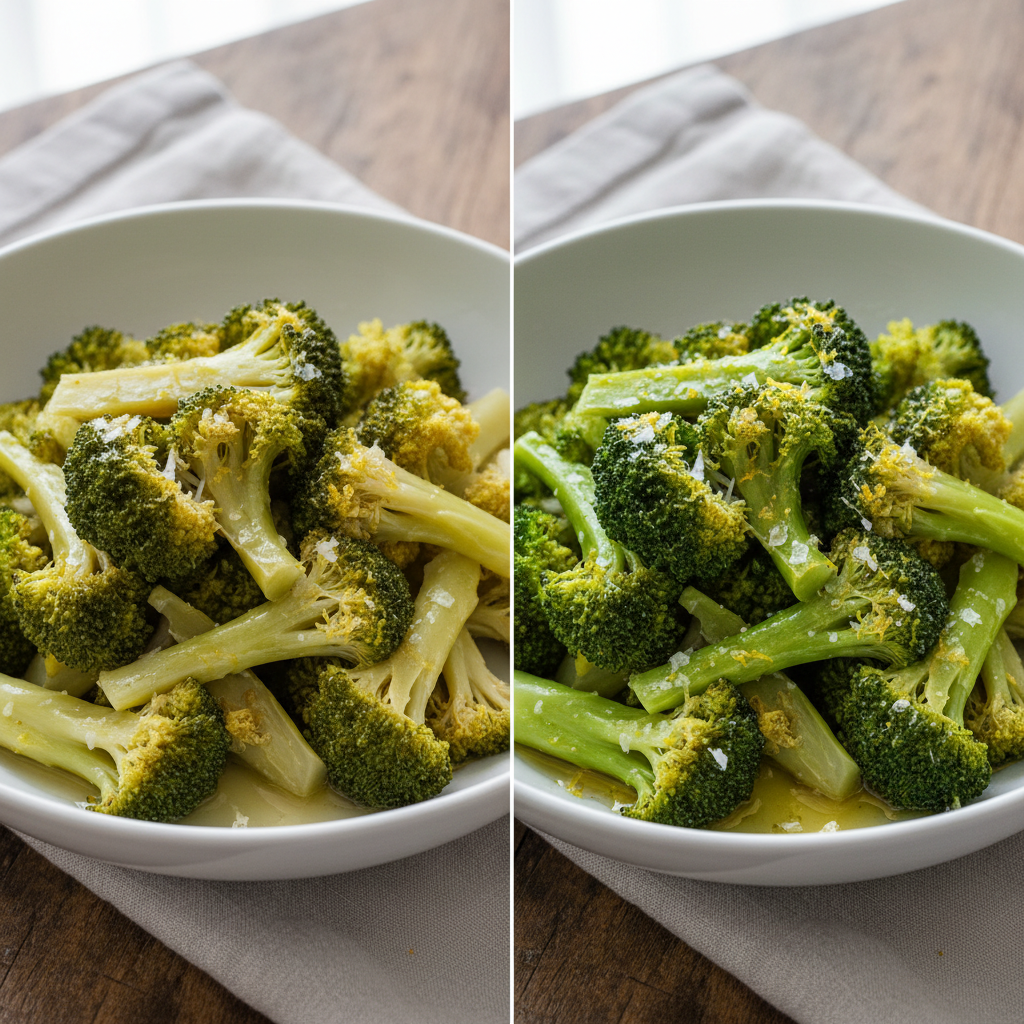
You've done everything right. You chose fresh, beautiful vegetables, you set up your steamer basket, and you cooked them for what felt like the perfect amount of time. You plate them, sprinkle on some salt, and take a hopeful bite... only to be met with a watery, lifeless flavor. It’s a common frustration! If you're wondering why your steamed vegetables taste bland despite your best efforts, you're not alone. The issue usually boils down to a few key factors: when you salt, what you're steaming with, and how long you're cooking.
Don't give up on this incredibly healthy cooking method! A few simple tweaks can transform your veggies from bland to brilliant. Let's dive in.
Want to create your own custom recipes? Try our AI-powered recipe generator for personalized cooking solutions tailored to your ingredients and preferences.
The Science Behind Bland Steamed Vegetables
When your steamed vegetables taste bland, it's often a matter of chemistry. Vegetables are packed with natural sugars and flavor compounds. Many of these compounds are water-soluble, meaning they can dissolve in water. During steaming, the hot water vapor cooks the vegetables, but it can also cause some of these tasty compounds to leach out, especially if you overcook them.
Overcooking is the primary villain. As vegetables cook, their cell walls break down. A little bit of breakdown makes them tender and delicious. Too much, and the cells rupture completely, releasing all their internal water and flavor into the ether (or the steaming pot), resulting in a mushy, bland texture. This is a similar problem to what causes mushy vegetables in other cooking methods.
What about salt? Simply sprinkling salt on top after cooking often isn't enough. The salt crystals sit on the surface and don't penetrate the vegetable, leading to a mouthful that's both salty on the outside and bland on the inside. True flavor enhancement happens when seasoning is integrated into the cooking process itself.
7 Quick Fixes for When Steamed Vegetables Taste Bland
Ready to reclaim your veggies? Here are seven foolproof methods to ensure your steamed creations are packed with flavor every single time.
1. Salt the Steaming Water
The Problem: You're salting your vegetables at the very end. The salt sits on the surface and doesn't season the vegetable evenly, creating a jarring taste rather than an integrated flavor.
The Fix: Be generous when salting the water before you start steaming. As the water turns to steam, it will carry the salt with it, creating a savory vapor that gently seasons the vegetables from the inside out as they cook. Think of it like cooking pasta in salted water—it’s non-negotiable for flavor!
Pro Tip: Use about 1 tablespoon of coarse sea salt for every quart of water. It sounds like a lot, but very little of it actually ends up on the veggies, leaving just the right amount of seasoning.
2. Add Aromatics to the Water
The Problem: You're steaming with plain water. Water adds moisture, but it contributes zero flavor. You're missing a massive opportunity to infuse your vegetables with taste from the very start.
The Fix: Treat your steaming liquid as a flavor base. Swap out the water for vegetable or chicken broth. Alternatively, toss aromatics directly into the plain water. Smashed garlic cloves, thick slices of ginger, lemon peels, bay leaves, or sturdy herb sprigs like thyme and rosemary all work wonders. The steam will carry their aromatic oils and infuse your veggies.
Pro Tip: For an Asian-inspired twist, add a splash of soy sauce and a few drops of sesame oil to the steaming water when making broccoli or bok choy.
3. Finish with Fat and Acid
The Problem: Your vegetables taste one-dimensional. Steaming is a very clean cooking process, but it lacks the richness and brightness that makes food exciting to the palate.
The Fix: This is the most crucial step! As soon as your vegetables are out of the steamer, toss them in a bowl with a good-quality fat and a splash of acid. The fat (extra-virgin olive oil, melted butter, toasted sesame oil) adds richness and helps carry flavor, while the acid (fresh lemon juice, lime juice, or a light vinegar) brightens everything up and makes the flavors pop.
Pro Tip: For a next-level finish, gently brown some butter in a skillet until it smells nutty (beurre noisette) and pour it over your steamed green beans or asparagus. It's a game-changer.
4. Don't Overcook Them!
The Problem: Your vegetables are soft, mushy, and have a dull, army-green color. You've cooked them so long that their cellular structure has collapsed, releasing all their flavor and texture.
The Fix: Steam your vegetables until they are “tender-crisp.” This means they are cooked through but still have a slight bite. They should also be at their most vibrant color. For broccoli, think bright, vivid green, not olive. Start checking for doneness a minute or two before the recipe suggests. You can always cook them more, but you can't un-cook them.
Pro Tip: To stop the cooking process instantly and lock in that vibrant color, transfer the steamed veggies to an ice bath for 30 seconds. Then, drain well and proceed with your fat and acid toss. This technique is a secret weapon against soggy veggies of all kinds.
5. Use a Finishing Salt
The Problem: You've salted the water and the veggies, but something is still missing. The flavor is there, but it lacks excitement and texture.
The Fix: After you've tossed your vegetables with fat and acid, sprinkle them with a finishing salt. Unlike fine table salt, flaky salts like Maldon or Fleur de Sel provide a delicate crunch and a clean, briny pop of flavor that enhances the final dish. You can also use flavored salts (like truffle, lemon, or smoked salt) to add another layer of complexity.
Pro Tip: As explained by the experts at Serious Eats, different salts have different purposes. Use cheap kosher salt for your steaming water and save the good stuff for the finish.
6. Add an Umami Boost
The Problem: The vegetables taste fine, but they lack a deep, savory, satisfying quality. They taste healthy, but not hearty.
The Fix: Introduce umami, the fifth taste. After steaming, toss your veggies with a touch of soy sauce, a sprinkle of nutritional yeast (which has a cheesy, nutty flavor), grated Parmesan or Pecorino cheese, or even a few chopped anchovies minced into the finishing oil. A tiny amount goes a long way in adding savory depth.
Pro Tip: Whisk a teaspoon of white or yellow miso paste into your melted butter or olive oil before tossing it with the vegetables. This provides an incredible, complex savoriness.
7. Don't Overcrowd the Steamer Basket
The Problem: The vegetables on the bottom are mushy and waterlogged, while the ones on top are still raw. The uneven cooking makes the whole batch taste off.
The Fix: Steam your vegetables in a single, even layer. If you have a lot of vegetables to cook, it's far better to do it in two separate batches than to pile them all in at once. Overcrowding prevents the steam from circulating properly, essentially boiling the bottom layer and blocking the top layer from the heat.
Pro Tip: This principle of giving your food space is universal in the kitchen. It's the same reason your vegetables won't brown properly in a crowded roasting pan.
How to Prevent Bland Steamed Vegetables in the Future
Want to make sure your steamed vegetables taste bland no more? Keep these preventative tips in mind:
- Start with the Best Ingredients: The freshest, in-season vegetables will always have the most flavor. A winter tomato will never taste as good as a summer one.
- Season at Every Step: Don't rely on one hit of salt at the end. Salt your water, and then add a finishing salt for texture and a final flavor pop.
- Always Use a Finishing Touch: Make it a habit. Steamed veggies are a blank canvas. Always plan to finish them with a fat, an acid, and fresh herbs or another aromatic.
- Mind the Clock: Keep a close eye on your vegetables. They can go from perfectly crisp-tender to sadly mushy in less than a minute.
- Embrace the Ice Bath: For perfectly cooked green vegetables like green beans, asparagus, and broccoli, a quick shock in an ice bath is your best friend for preserving color and texture.
Frequently Asked Questions
Why are my steamed vegetables watery and tasteless?
This is almost always a sign of overcooking. When vegetables are cooked for too long, their cell walls rupture, releasing all the water and flavor they contain. This leaves you with a watery, bland product. To fix this, cook them for less time, aiming for a “tender-crisp” texture where they still have a slight bite.
Is it better to steam vegetables with or without salt in the water?
It is always better to steam vegetables with salt in the water. Salting the water creates a savory steam that seasons the vegetables gently and evenly as they cook. Salting only at the end results in surface-level seasoning that can taste harsh and uneven. Add about one tablespoon of salt per quart of water for the best results.
How can I make steamed broccoli and carrots taste good without a lot of salt?
Focus on other flavor-builders! Steam them over a liquid infused with garlic cloves, ginger, and lemon peel. Once cooked, immediately toss them with a drizzle of high-quality extra-virgin olive oil, a generous squeeze of fresh lemon juice, and a sprinkle of black pepper. You can also add fresh herbs like dill or parsley, or a dash of red pepper flakes for heat.
What's the difference between steaming and boiling for vegetable flavor?
Steaming is generally superior to boiling for preserving flavor. When you boil vegetables, they are fully submerged in water, which allows many of their water-soluble nutrients and flavor compounds to leach out directly into the water, according to food science. Steaming cooks the vegetables with hot vapor, which is a more gentle process that helps them retain more of their natural taste, texture, and color.
Complete Vegetable Troubleshooting Guide
This is just one of many common vegetable cooking issues. For a comprehensive guide covering all vegetable problems and solutions, check out our complete Complete Vegetable Troubleshooting Guide.