
Stop Watery Frozen Vegetables: 3 Ways to Get a Perfect Crunch
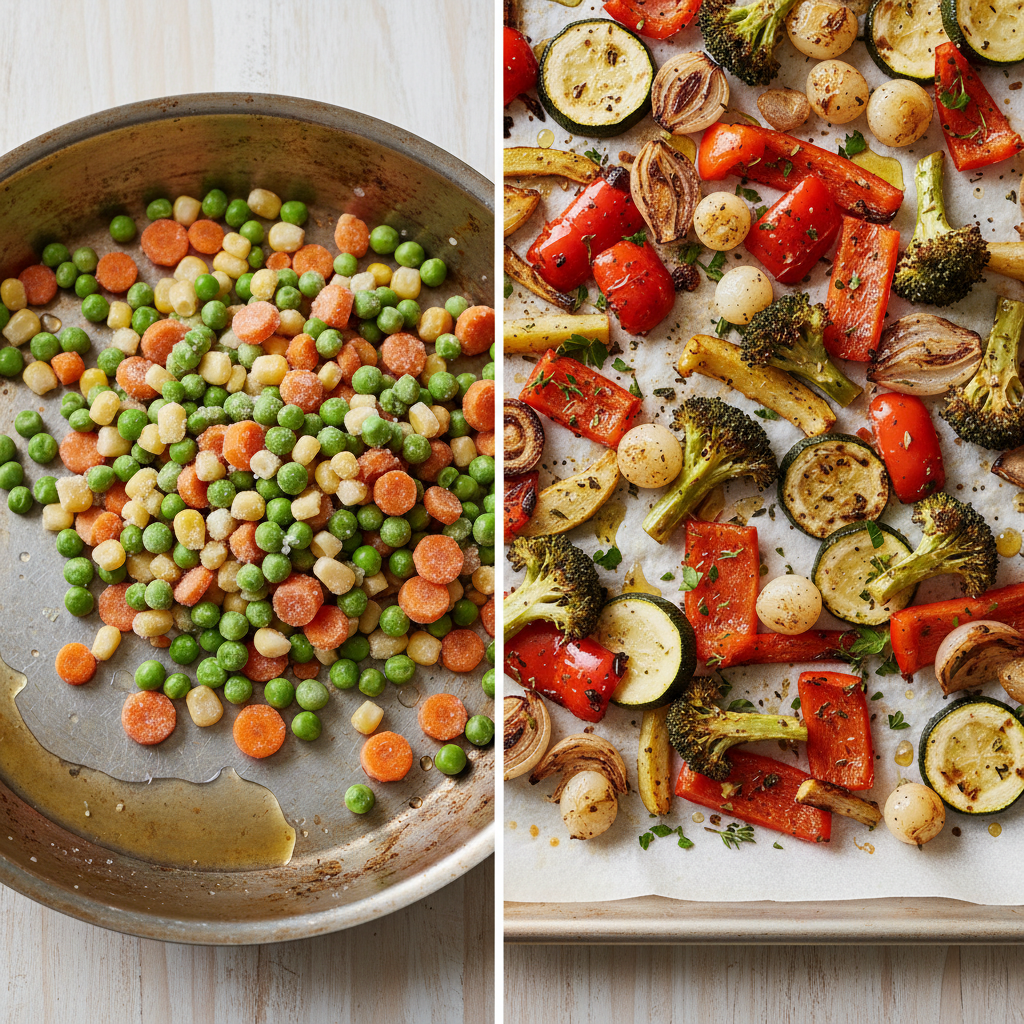
You reach for that convenient bag of frozen mixed veggies, hoping for a quick and healthy side dish. But instead of vibrant, crisp-tender morsels, you end up with a sad, watery puddle in your pan. Sound familiar? It’s a frustratingly common kitchen problem. So, why do frozen vegetables turn watery? It boils down to ice crystals rupturing the vegetables' cell walls and, most importantly, improper cooking methods. But don't toss that bag in frustration! We're here to show you how to get perfectly cooked, delicious results from your frozen veg every single time. Let's get cooking!
Want to create your own custom recipes? Try our AI-powered recipe generator for personalized cooking solutions tailored to your ingredients and preferences.
The Science Behind Watery Frozen Vegetables
To defeat the enemy, you have to understand it! The core of the issue lies in basic biology and physics. Vegetables are made up of 70-90% water, all neatly contained within their microscopic cells.
When you freeze vegetables, that water expands and forms ice crystals. These sharp crystals act like tiny knives, puncturing and rupturing the vegetable's delicate cell walls. When the vegetables are later thawed or cooked, the water from all those damaged cells has nowhere to go but out, creating a watery pool in your pan or on your plate.
Commercially frozen vegetables are typically "flash-frozen" at very low temperatures, which creates smaller ice crystals and causes less damage. Vegetables frozen slowly in a home freezer will form larger crystals, leading to even more water release. If you then cook these vegetables at too low a temperature, they simply boil and steam in their own liquid, resulting in that classic soggy, watery texture.
| Freezing Method | Ice Crystal Size | Cell Wall Damage | Resulting Texture |
|---|---|---|---|
| Slow Freezing (Home Freezer) | Large, jagged | Significant | More watery, mushy |
| Flash Freezing (Commercial) | Small, fine | Minimal | Firmer, less watery |
5 Smart Fixes for Watery Frozen Vegetables
1. Don't Thaw Them (Most of the Time)
The Problem: It feels counterintuitive, but thawing frozen vegetables is often the first mistake. As they thaw, all the water from those ruptured cells leaks out, creating a puddle before you even start cooking. They're guaranteed to be soggy.
The Fix: For roasting, air frying, or sautéing, cook your vegetables straight from the freezer. The initial blast of high heat will help evaporate the surface ice and moisture quickly, allowing the vegetables to sear or roast rather than steam.
Pro Tip: The main exception is for recipes like casseroles, quiches, or dips where excess moisture can ruin the dish's consistency. In these cases, thaw the veggies completely, then place them in a clean kitchen towel and squeeze out as much water as humanly possible before adding them to your recipe.
2. Crank Up the Heat
The Problem: A medium-heat pan or a 375°F oven isn't powerful enough to combat the cold and moisture of frozen vegetables. The temperature drops, and the veggies end up simmering in their own liquid.
The Fix: High heat is your best friend. For roasting, preheat your oven and baking sheet to at least 425°F (220°C). For sautéing, get your pan and oil shimmering hot before you even think about adding the vegetables. You want to hear a loud sizzle the moment they hit the pan.
Pro Tip: As the experts at Serious Eats will tell you, a hot pan and hot oil are fundamental for browning. This high-heat approach is the number one way to avoid the dreaded sogginess you might also see when making soggy roasted veggies from fresh.
3. Give Them Space
The Problem: Piling a whole bag of frozen broccoli onto a small baking sheet is a recipe for disaster. When vegetables are crowded together, they trap steam. This steam prevents them from making direct contact with the hot pan, so they steam instead of roast.
The Fix: Spread your frozen vegetables in a single, even layer on your baking sheet or in your pan. Make sure there's plenty of space between the pieces. If you're cooking a large amount, don't be afraid to use two baking sheets. It's better to wash an extra pan than to eat a mushy meal!
Pro Tip: This principle is also the key to achieving a beautiful, caramelized color. If you often find yourself wondering why your vegetables won't brown, overcrowding is almost always the culprit.
4. Choose the Right Cooking Method
The Problem: Not all cooking methods are created equal when it comes to frozen produce. Boiling, for example, just adds more water to an already watery situation, almost guaranteeing a mushy outcome.
The Fix: Lean into dry-heat cooking methods. Roasting, air frying, and grilling are all excellent choices because they allow moisture to evaporate. A high-heat sauté can also work wonders if you follow the rules of high heat and no crowding. Steaming is a viable option if you just need the vegetables cooked through for a purée or soup, but it won't yield a crispy result.
Pro Tip: Check out this helpful guide from The Kitchn on which cooking methods work best for specific types of frozen vegetables, from corn to green beans.
5. Oil and Season Generously
The Problem: Frozen vegetables can taste bland and watery because their flavor has been diluted. Simply steaming them does little to improve their taste.
The Fix: Be bold with your oil and seasonings. Before roasting, toss the frozen vegetables in a bowl with a generous coating of olive oil, salt, pepper, garlic powder, and any other spices you love. The oil helps conduct heat, promoting browning and crisping, while the seasonings create a delicious crust and draw out some moisture.
Pro Tip: Don't salt the vegetables too early if you're sautéing. Salt draws out water, which can interfere with searing. Instead, get a good sear on them first, then season with salt towards the end of cooking.
How to Prevent Watery Frozen Vegetables Before You Cook
- Buy High-Quality IQF Vegetables: Look for bags labeled "Individually Quick Frozen." In these bags, you should be able to feel the individual pieces of broccoli or peas, not one giant, solid block. A solid block is a sign of thawing and refreezing, which means more cell damage and more water.
- Pat Dry Before Cooking: Run your frozen vegetables under cool water for a moment to remove any surface ice crystals. Then, pat them as dry as you can with a paper towel. Removing this external moisture gives them a head start on browning.
- Always Preheat Your Equipment: Never add frozen vegetables to a cold pan or a cold oven. Place your baking sheet in the oven while it preheats. This ensures the veggies start sizzling immediately, rather than slowly defrosting.
- Avoid Boiling and Microwaving (for texture): Unless you're making soup, avoid cooking methods that add or trap moisture. Microwaving is essentially steaming in a sealed box—a direct path to a soft, often mushy texture.
Frequently Asked Questions
Should I thaw frozen vegetables before stir-frying?
It's best not to! Tossing them in frozen is the way to go. The key is to have your wok or skillet extremely hot. The intense heat will evaporate the moisture from the frozen surface almost instantly, allowing the vegetables to sear rather than steam.
Why do my frozen vegetables get mushy in the microwave?
Microwaves cook by exciting water molecules, essentially steaming the food from the inside out. With frozen vegetables, this process releases all the trapped water, creating a steamy, enclosed environment that leads to a soft, often mushy texture. For better results, use the roasting or sautéing methods described above.
How can I make frozen broccoli crispy?
The best way to get crispy frozen broccoli is by roasting it at high heat. Toss the frozen florets with a little oil and seasoning, spread them in a single layer on a baking sheet, and roast at 425°F (220°C) for 20-25 minutes, flipping halfway through. Don't overcrowd the pan!
Is it safe to eat watery frozen vegetables?
Absolutely! Watery frozen vegetables are perfectly safe to eat. The issue is purely textural, not a matter of food safety. The water is just the natural moisture from within the vegetable cells that has been released during the freezing and cooking process.
Complete Vegetable Troubleshooting Guide
This is just one of many common vegetable cooking issues. For a comprehensive guide covering all vegetable problems and solutions, check out our complete Complete Vegetable Troubleshooting Guide.