
Why Does Brown Rice Take Forever to Cook? 3 Ways to Fix It
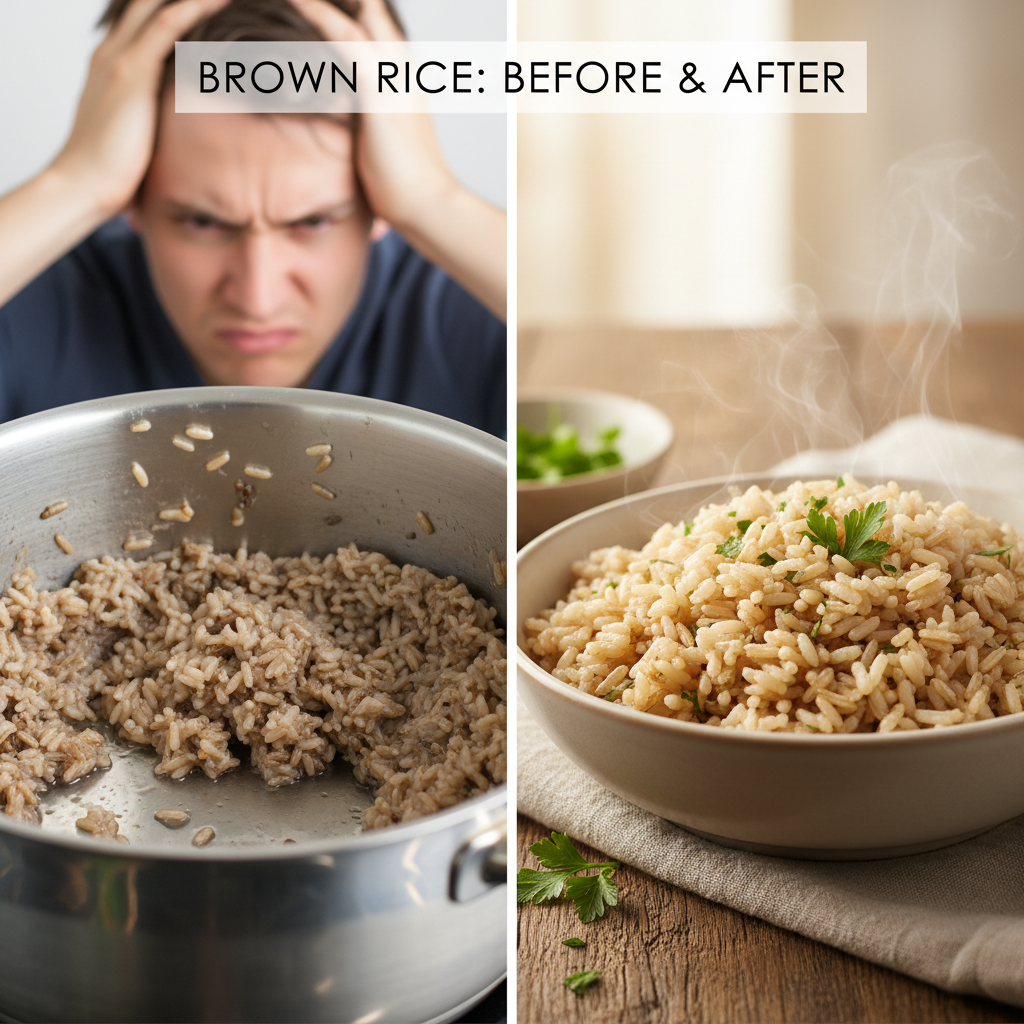
There's nothing more frustrating than planning a healthy meal, only to be held hostage by a stubborn pot of rice. You followed the package directions, you've been simmering for what feels like an eternity, and yet... it's still crunchy. Or worse, it's a mushy mess on the outside but raw in the middle. If you've ever wondered why does brown rice take forever to cook, you're not alone! The main culprits are its tough outer bran layer and common cooking methods that don't account for its unique structure. But don't worry, perfect, fluffy brown rice is totally achievable.
Let's dive into the science, the fixes, and the simple tricks to make brown rice your new best friend in the kitchen.
Want to create your own custom recipes? Try our AI-powered recipe generator for personalized cooking solutions tailored to your ingredients and preferences.
The Science Behind Stubborn Brown Rice
So, why is brown rice so much more finicky than its white counterpart? It all comes down to its anatomy. A grain of brown rice is a whole grain, meaning it contains all parts of the grain: the germ, the endosperm, and the bran.
That last part, the bran, is the key. This fibrous outer layer is packed with nutrients and fiber, but it's also tough and naturally water-resistant. For the rice to become tender, water needs to penetrate this bran layer to reach the starchy endosperm inside, causing it to swell and soften—a process called gelatinization. Because the bran acts like a tiny raincoat, this process takes significantly more time and liquid compared to white rice, which has had its bran and germ removed.
If you cook it too quickly on high heat, the outside overcooks and turns to mush before the inside has a chance to absorb water, leaving you with that dreaded combination of gummy and crunchy. Understanding this barrier is the first step to conquering it.
| Rice Type | Typical Cook Time | Typical Water Ratio (Rice:Water) | Key Difference |
|---|---|---|---|
| Brown Rice | 40-50 minutes | 1 : 2 or 1 : 2.5 | Intact bran layer slows water absorption |
| White Rice | 15-20 minutes | 1 : 1.5 or 1 : 2 | Bran removed for quick water absorption |
6 Quick Fixes for Why Brown Rice Takes Forever to Cook
Ready to put an end to disappointing brown rice for good? These methods tackle the problem from different angles, ensuring you get fluffy, perfectly cooked grains every time.
1. The Pre-Soak Solution
The Problem: The tough bran layer acts as a barrier, preventing water from quickly hydrating the grain. This is the primary reason why brown rice takes forever to cook.
The Fix: Give your rice a head start! Soaking brown rice before cooking is a game-changer. Simply place your rice in a bowl, cover it with a few inches of cool water, and let it sit for at least 45 minutes, or even up to a few hours on the counter. If soaking for longer (like overnight), pop it in the fridge. Drain the soaking water and proceed with your recipe, but you may need to reduce the cooking water by a splash (e.g., use a 1:1.75 ratio instead of 1:2).
Pro Tip: Soaking not only speeds up cooking time but also helps make the nutrients in brown rice more bioavailable and easier to digest, as explained by sources like Harvard T.H. Chan School of Public Health.
2. The "Pasta Method"
The Problem: Getting the water-to-rice ratio perfect can be tricky. Too little and you get hard rice after cooking; too much and it's a soggy mess.
The Fix: Forget measuring! Cook your brown rice like pasta. Bring a large pot of salted water to a rolling boil (like you would for spaghetti). Add your rice and boil, uncovered, for about 30 minutes. Test a grain—if it's tender, you're done. If not, give it another 5 minutes. Once cooked, drain it thoroughly in a fine-mesh sieve, return it to the hot pot, cover, and let it steam off the heat for 10 minutes to get extra fluffy.
Pro Tip: This method, recommended by experts at Serious Eats, is virtually foolproof and great for cooking large batches of rice.
3. The Oven-Baked Method
The Problem: The direct, intense heat from a stovetop burner can cook the bottom layer of rice too quickly, which is often why your rice might be burning before the top is even done.
The Fix: Use the gentle, even heat of your oven. In an oven-safe pot or Dutch oven with a tight-fitting lid, combine 1.5 cups of brown rice with 2.5 cups of boiling water, a tablespoon of butter or oil, and a teaspoon of salt. Stir, cover tightly, and bake at 375°F (190°C) for 1 hour. Do not peek! After an hour, remove from the oven and let it stand, covered, for 10 more minutes before fluffing with a fork.
Pro Tip: This hands-off method is perfect for busy weeknights when you can't babysit a pot on the stove.
4. The Mandatory 10-Minute Rest
The Problem: You fluff the rice the second it's done simmering, but it's still a bit wet and dense, not light and fluffy.
The Fix: This step is non-negotiable for perfect rice. Once the cooking time is up and the water is absorbed, remove the pot from the heat and let it stand, covered, for 10-15 minutes. This allows the residual steam to gently finish cooking the grains and distribute the remaining moisture evenly. Skipping this step often results in unevenly cooked rice.
Pro Tip: Place a clean kitchen towel under the lid during the resting period. It will absorb excess steam and prevent condensation from dripping back onto the rice, ensuring a fluffier, less mushy result.
5. Use a Wider Pot
The Problem: Your rice is cooking unevenly—the bottom is mushy while the top layer is undercooked.
The Fix: Ditch the small saucepan. Using a wider pot, like a Dutch oven or a large sauté pan with a lid, allows the rice to spread out in a thinner layer. This ensures every grain has more equal access to the heat source and steam, promoting much more even cooking. A crowded pot is an unhappy pot!
Pro Tip: A good rule of thumb is that the depth of the uncooked rice and water should not exceed 2-3 inches.
6. Toast Your Rice First
The Problem: Your cooked brown rice lacks flavor and the grains are a bit clumpy.
The Fix: Add a layer of toasty, nutty flavor before you even add water. Heat a tablespoon of butter or oil in your pot over medium heat. Add the dry, rinsed rice and stir constantly for 2-3 minutes until the grains are fragrant and lightly golden. This process, called pilaf style, helps keep the grains separate and adds incredible depth of flavor. Then, add your liquid and cook as usual.
Pro Tip: This works especially well for adding a flavor foundation if you're making a rice pilaf with aromatics like onions or garlic.
How to Prevent Brown Rice from Taking Forever to Cook
Want to avoid the problem altogether? Incorporate these habits into your brown rice routine for consistent, delicious results every time.
- Always Soak When Possible: Even a 30-minute soak dramatically reduces cooking time and improves texture.
- Use the Right Water Ratio: Start with a 1:2 ratio of rice to water for stovetop methods (1 cup rice, 2 cups water) and adjust if needed. For baked rice, a 1:2.5 ratio is often better.
- Bring Liquid to a Boil First: Add your rice to already boiling water. This helps the grains cook more evenly than starting them in cold water.
- Simmer, Don't Boil: After the initial boil, immediately reduce the heat to the lowest possible setting. A frantic boil will evaporate water too quickly and lead to mushy-yet-crunchy rice.
- Don't Skip the Rest: That final 10-minute steam off the heat is where the magic happens. Let it rest!
- Fluff with a Fork: Never use a spoon to fluff your rice. A fork will separate the grains without mashing them.
Frequently Asked Questions
How can I fix brown rice that is still hard after cooking?
If your rice is cooked but still too crunchy, don't throw it out! Add about 1/4 cup of water or broth to the pot, put the lid back on, and return it to a very low heat for another 10-15 minutes. The extra liquid will create more steam to finish softening the grains.
Should you rinse brown rice before cooking it?
Yes, it's a great idea. Rinsing brown rice in a fine-mesh sieve under cool water removes any dust or debris, but more importantly, it washes away excess surface starches. This helps the grains stay more separate and fluffy after cooking.
Why is my brown rice mushy on the outside but hard in the middle?
This is a classic sign of cooking the rice with too high of heat. The water boiled away too quickly, overcooking the exterior of the grains before the liquid had time to penetrate the tough bran and cook the interior. The solution is to use a lower, gentler simmer for a longer period.
Complete Rice Troubleshooting Guide
This is just one of many common rice cooking issues. For a comprehensive guide covering all rice problems and solutions, check out our complete Complete Rice Troubleshooting Guide.