
Fix Foamy Rice: 5 Easy Ways to Stop Starchy Boil Over
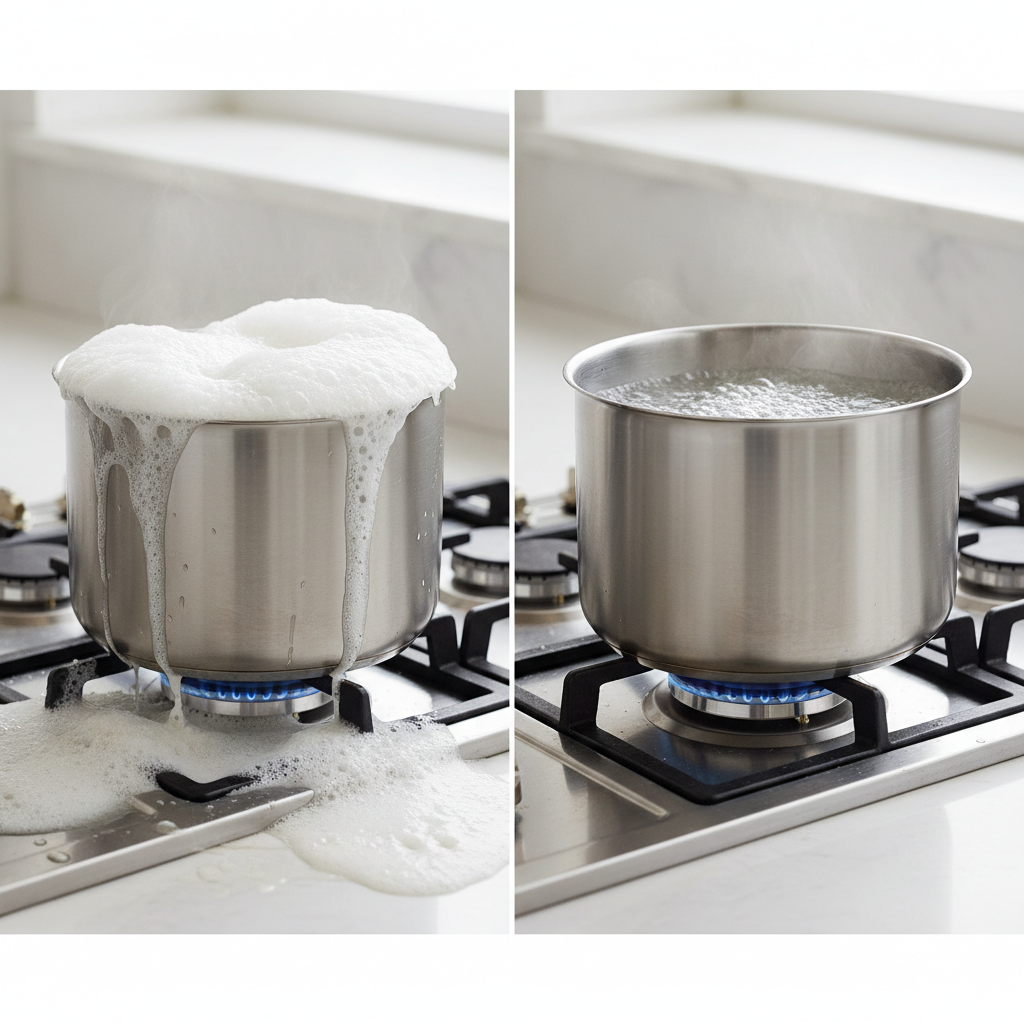
There’s nothing quite like the promise of a pot of perfectly fluffy rice. You’ve measured your grains, added the water, and set it on the stove. But a few minutes later, you hear a frantic rattling. You rush over to find a starchy, white foam bubbling up and threatening to spill all over your clean stovetop. If you’re asking yourself, why is my rice foamy, don’t worry! It’s a super common issue, and the good news is that it’s usually not a big problem and is very easy to fix. The culprit is almost always excess surface starch on the rice grains, which gets agitated when boiled.
In this post, we’ll dive into the science behind that foam, give you five quick fixes, and share some pro tips to prevent it from ever happening again. Let’s get that rice right!
Want to create your own custom recipes? Try our AI-powered recipe generator for personalized cooking solutions tailored to your ingredients and preferences.
The Science Behind Foamy Rice
So, what’s actually happening in that pot? That white foam is a direct result of starch meeting hot, agitated water. Every grain of rice is coated in a fine powder of free starch, a byproduct of the milling process where the husk and bran are removed.
When you add this unrinsed rice to water and turn up the heat, two things happen. First, the loose starch dissolves into the water, creating a starchy liquid. Second, as the water heats up and begins to boil, the water molecules move around rapidly, creating bubbles (steam). These bubbles get trapped by the starchy liquid, which has a higher surface tension than plain water. Instead of popping and releasing steam, they form a stable, and often persistent, foam.
Think of it like blowing bubbles with a soapy wand—the starch is acting like the soap! The more surface starch and the more vigorous the boil, the more foam you're going to get. This is why some rice varieties, like short-grain or medium-grain rice used for risotto or sushi, tend to foam more; they are naturally starchier.
5 Quick Fixes for Why Your Rice Is Foamy
1. Rinse, Rinse, Rinse!
The Problem: The primary cause of foamy rice is the powdery starch coating the outside of the grains. It’s just waiting to turn your pot into a science-fair volcano.
The Fix: This is the most effective solution. Before you cook your rice, give it a thorough rinse. Place your measured rice in a fine-mesh sieve and run it under cold water, using your fingers to gently swish the grains around. You’ll see cloudy, milky water run out at first. Keep rinsing for a minute or two until the water runs mostly clear. This physically washes away that problematic surface starch.
Pro Tip: Don't have a fine-mesh sieve? You can rinse the rice in the cooking pot itself. Fill it with water, swish the rice, carefully tilt the pot to pour out the starchy water, and repeat 3-4 times until the water is much clearer.
2. Add a Drop of Fat
The Problem: The high surface tension of the starchy water allows stable bubbles to form. You need something to break that tension.
The Fix: Add about a teaspoon of fat—like butter, olive oil, or any neutral cooking oil—to the cooking water at the beginning. As explained by Serious Eats, the fat spreads across the surface and breaks the surface tension, causing the starchy bubbles to pop instead of building up into a thick foam. It's a simple trick that works wonders.
Pro Tip: This trick also adds a little flavor and can help keep the individual grains of rice from clumping together, which is a great way to avoid the issue of why rice sometimes sticks together.
3. Give It Some Space (Use a Bigger Pot)
The Problem: A small pot with a high water level leaves no room for the foam to expand, so it has nowhere to go but up and over the side.
The Fix: Choose a pot that is large enough to handle the job. A good rule of thumb is to make sure the rice and water only fill the pot about one-third to one-half of the way up. This provides ample headspace for the foam to rise and fall without ever reaching the rim. A wider pot also provides more surface area, which can help steam escape more easily.
Pro Tip: Using a larger pot is also a key strategy to prevent scorching. A crowded pot can lead to uneven heating, which is often why your rice might burn at the bottom while the top is still undercooked.
4. Turn Down the Heat
The Problem: A vigorous, rolling boil agitates the starch and water much more violently, creating more foam faster.
The Fix: You don't need to boil your rice ferociously. The standard method is to bring the water to a boil, then immediately reduce the heat to the lowest possible setting that still maintains a gentle simmer. Cover the pot and let it cook gently. This slow, gentle cooking process creates less agitation and, therefore, less foam.
Pro Tip: If your stove runs hot even on its lowest setting, consider investing in a heat diffuser or simmer plate. This little metal disc sits between the burner and your pot, distributing the heat more evenly and gently.
5. Just Skim It Off
The Problem: You forgot to do any of the above, and the foam is already forming.
The Fix: If you're in the middle of cooking and the foam starts to rise, simply grab a spoon and skim it off the surface. Discard the foam and continue cooking. This is a reactive, not proactive, solution, but it's effective in a pinch. You may need to do it once or twice as the rice comes to a simmer.
Pro Tip: Keep the lid slightly ajar for the first few minutes of simmering to allow some steam (and potential foam) to escape without building up pressure. Once the initial starchy boil has subsided, you can cover it completely.
How to Prevent Foamy Rice in the Future
Tired of babysitting your rice pot? The best cure is prevention. By building a few simple habits into your rice-cooking routine, you can say goodbye to starchy boil-overs for good. Consistent technique is the secret to perfect rice every single time, helping you avoid everything from foam-overs to mushy, overcooked rice.
- Always Rinse Your Rice: Make this a non-negotiable step. Rinsing until the water runs clear is the single most effective way to prevent foam.
- Choose the Right Pot: Grab a saucepan or pot that gives your rice plenty of room to breathe. Never fill it more than halfway with rice and water.
- Consider a Touch of Oil: A small drizzle of oil or a pat of butter in the water before boiling is a great insurance policy against foam.
- Master the Simmer: Don't let your rice endure a rolling boil. Bring it to a boil, then immediately turn the heat down to low and let it steam gently.
- Toast Your Grains: For pilafs and other dishes, toasting the rinsed, dry rice in a little oil before adding water can help seal the grains, locking in starch and adding a wonderful nutty flavor.
Frequently Asked Questions
Is it bad if my rice is foamy when cooking?
Not at all! The foam is harmless and consists only of starch and water. It's not a sign of spoilage or any problem with the rice itself. The main issue is that it's messy and can boil over, leaving a starchy residue on your stovetop that’s a pain to clean up.
Why does rinsing rice prevent it from being foamy?
Rinsing works by physically removing the loose, powdery starch from the surface of the rice grains. Without this excess starch to mix with the water, there’s nothing to trap the steam bubbles and create a stable foam. The water will still boil, but it won't foam up in the same way.
Does the type of rice affect how much it foams?
Yes, absolutely. High-starch rice varieties, such as Arborio (for risotto), sushi rice, and other short-grain or medium-grain white rice, will naturally produce more foam because they have more surface starch. Long-grain varieties like Basmati and Jasmine tend to produce less foam, but they still benefit from a good rinse.
How can I stop my rice cooker from overflowing with foam?
The same principles apply! First and foremost, rinse your rice thoroughly before adding it to the cooker. Second, be sure not to fill the rice cooker bowl beyond its maximum capacity line. Finally, adding a tiny amount of oil or butter (about 1/2 teaspoon) to the bowl with the rice and water will also help prevent the foam from building up and sputtering out of the steam vent.
Complete Rice Troubleshooting Guide
This is just one of many common rice cooking issues. For a comprehensive guide covering all rice problems and solutions, check out our complete Complete Rice Troubleshooting Guide.