
Why Vegetables Don't Get Crispy (& How to Fix It!) - Guide
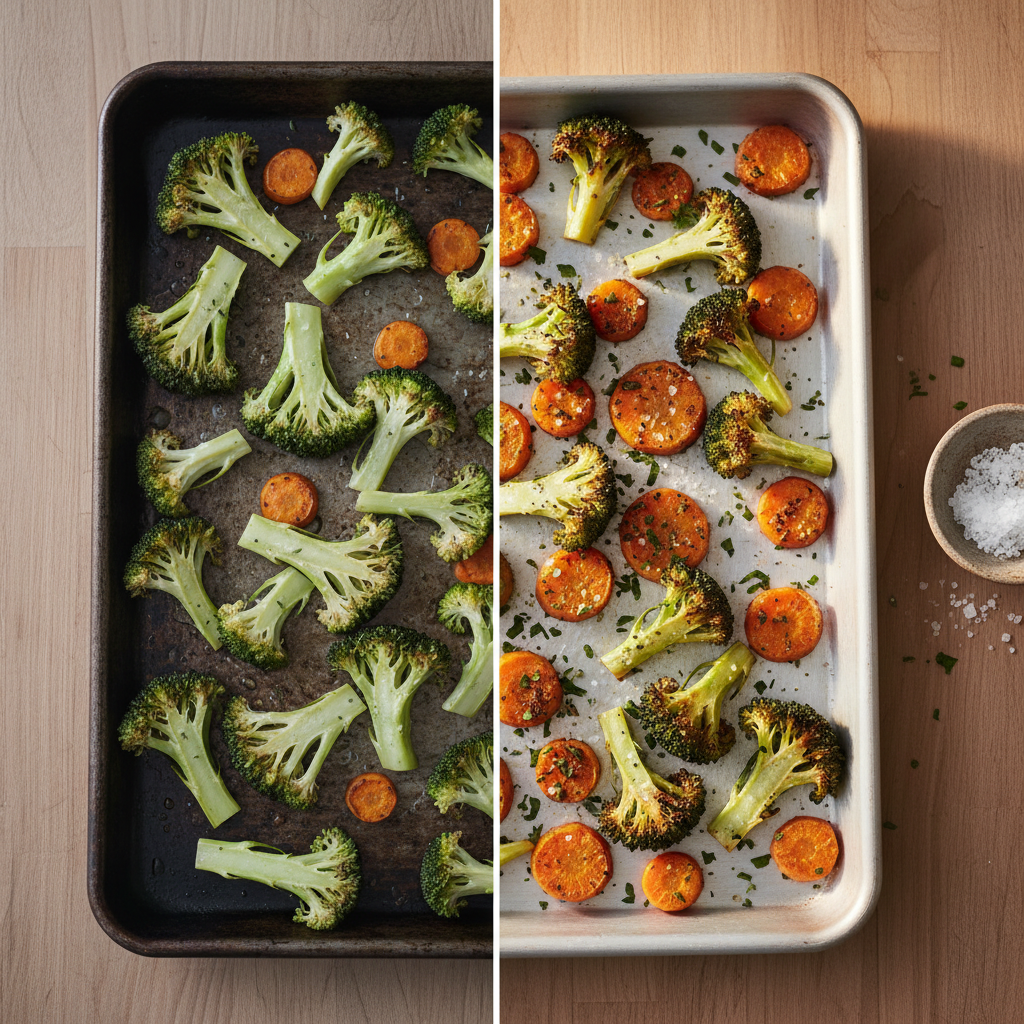
Why Vegetables Don't Get Crispy (& How to Fix It!)
vegetables don't get crispy. If your roasted vegetables consistently turn out limp and steamy instead of crispy and caramelized, the common culprits are too much moisture, insufficient heat, and overcrowding the pan.
vegetables don't get crispy. Want to create your own custom recipes? Try our AI-powered recipe generator for personalized cooking solutions tailored to your ingredients and preferences.
The Science Behind Why Your Vegetables Don't Get Crispy
vegetables don't get crispy. Perfectly roasted vegetables rely on caramelization (browning of sugars) and the Maillard reaction (complex reaction between amino acids and sugars), as explained by Serious Eats. Both require a hot, dry environment, typically above 300-350°F (150-177°C). Water is the primary enemy; excess moisture creates steam at 212°F (100°C), preventing temperatures from rising enough for browning. This results in steaming rather than roasting, leading to a soft, soggy texture. The goal is to evaporate surface moisture quickly for browning to begin.
| Process | Typical Temperature | Result |
|---|---|---|
| Steaming (Excess Moisture) | 212°F / 100°C | Soft, tender, no browning |
| Roasting (Dry Heat) | 400°F+ / 200°C+ | Crispy, browned, caramelized |
6 Quick Fixes When Your Vegetables Don't Get Crispy
1. The Problem: Your Pan is Overcrowded
The Problem: Overcrowding traps moisture, steaming vegetables instead of roasting them. Air cannot circulate.
The Fix: Spread vegetables in a single, even layer, ensuring no pieces touch. Use multiple pans if necessary. A large, heavy-duty, rimmed baking sheet, preferably dark-colored, promotes better browning and crisping by absorbing and radiating heat effectively, as recommended by Serious Eats.
2. The Problem: The Vegetables are Wet
The Problem: Residual water on vegetables must evaporate before browning can occur, creating a steamy environment.
The Fix: Thoroughly dry vegetables after washing. Use a salad spinner or pat dry with a clean towel. For cut vegetables, air-dry for 10-15 minutes before oiling. Avoid salting until the end, as salt draws out moisture.
3. The Problem: Your Oven Isn't Hot Enough
The Problem: Low oven temperatures (e.g., 350°F / 175°C) bake or steam vegetables, making them soft.
The Fix: Roast at 400°F to 450°F (200°C - 230°C). Fully preheat the oven. For extra crispiness, preheat the baking sheet for 5-10 minutes before adding vegetables. An inexpensive oven thermometer can verify actual oven temperature.
4. The Problem: You're Not Using Enough (or the Right) Fat
The Problem: Insufficient oil prevents good contact with the hot pan, leading to uneven cooking and lack of crispiness. Vegetables are also more likely to stick.
The Fix: Use a high-smoke-point oil (avocado, grapeseed, light olive oil). Toss dry, cut vegetables thoroughly with oil to ensure even coating. Aim for 1-2 tablespoons of oil per pound of vegetables; too much oil makes them greasy, not crispy.
5. The Problem: Your Pieces are Unevenly Sized
The Problem: Unevenly sized pieces cook inconsistently; small pieces burn while large ones remain undercooked, preventing uniform crisping.
The Fix: Cut vegetables into uniform, bite-sized pieces for even cooking. If roasting different types, add harder vegetables first, then softer ones partway through. Maximize surface area by cutting vegetables like broccoli or cauliflower to have a flat side, placing them cut-side-down for better browning.
6. The Problem: You're Not Flipping Them
The Problem: Only the side touching the hot pan crisps, resulting in uneven texture if not flipped.
The Fix: Flip vegetables halfway through roasting with a thin metal spatula. This promotes even cooking and browning on all sides and helps prevent sticking. For maximum crispiness, roast directly on an oiled pan, as parchment paper can slightly inhibit browning.
How to Prevent Vegetables from Getting Soggy in the First Place
vegetables don't get crispy. Preventing soggy vegetables is key to consistent crispiness. Integrate these habits into your roasting routine:
- Start Bone-Dry: Always pat vegetables completely dry before oiling.
- Embrace High Heat: Use oven temperatures of 400°F (200°C) or higher, and always preheat.
- Give Them Space: Adhere to the single-layer rule. Overcrowding is the primary cause of mushy, steamed vegetables.
- Cut for Success: Cut vegetables into uniform sizes for even cooking.
- Oil Generously and Evenly: Toss vegetables with a high-smoke-point oil in a bowl to ensure every piece is coated.
- Salt at the End: Add salt and delicate herbs after roasting to prevent moisture release during cooking.
Frequently Asked Questions
Can I use parchment paper and still get crispy vegetables?
vegetables don't get crispy. Yes, but it's a trade-off. Parchment paper aids cleanup but creates a slight barrier to direct heat. For maximum crispiness, roast directly on a lightly oiled pan. If using parchment, ensure a very hot oven, and that vegetables are extra dry and well-spaced to compensate.
Why are my roasted potatoes mush
Conclusion
Now you have all the tools you need to solve this problem. Remember, the key is to be patient and follow these steps carefully. With practice, you'll master this technique and never face this issue again. If you found this guide helpful, share it with others who might benefit from these tips.