
GLP-1 Meal Prep: A Sunday System That Survives the Week
The Real Reason Traditional Meal Prep Fails on GLP-1s
If you've experienced this meal-prep burnout, you're not alone. It's not a lack of willpower; it’s a feature of the medication. GLP-1 agonists like semaglutide and tirzepatide don't just work on your gut and pancreas to slow digestion and regulate blood sugar. They also cross the blood-brain barrier and interact with receptors in your brain that control appetite and satiety. This can fundamentally change how you perceive the taste, smell, and even texture of foods.
A once-beloved food can become repulsive overnight. These are not random whims; they are sudden food aversions driven by complex neurobiology. One week, eggs might be your go-to protein source. The next, you can't stand the sight of them. Committing to five identical pre-made meals is a recipe for food waste and nutritional gaps when your preferences are in flux. The rigidity of traditional meal prep is fundamentally incompatible with the fluid nature of a GLP-1 journey.
This is why a new approach is necessary—one that provides structure without being restrictive, allowing you to honor your body's shifting signals while still meeting your nutritional goals.
The Modular Meal Prep Method: Your In-Fridge Buffet
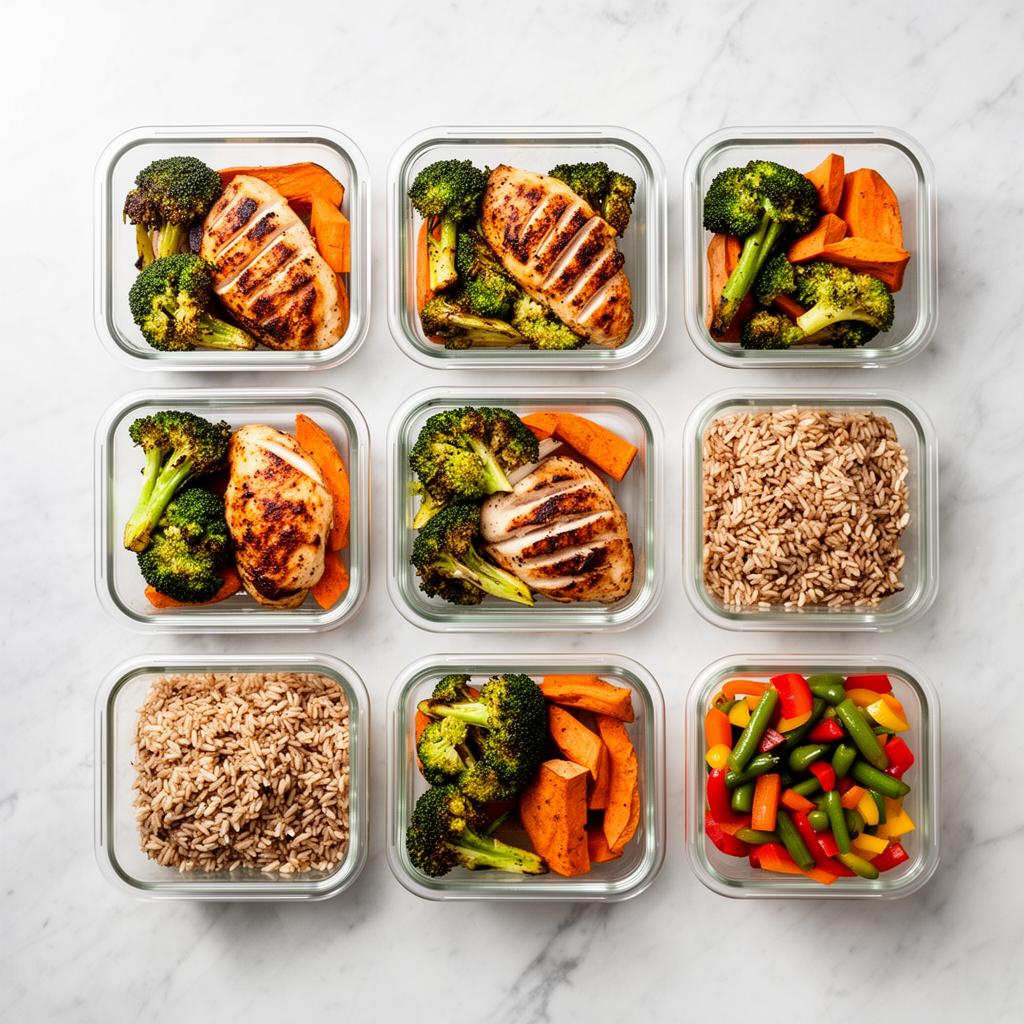
Welcome to modular meal prep. Instead of making five finished meals, you're going to prep five types of *components*: proteins, cooked vegetables, raw vegetables, grains or starches, and sauces. Think of your refrigerator as a private, healthy, build-your-own-bowl bar. When it's time to eat, you simply assemble a meal based on what sounds good to you in that moment.
This system has three huge advantages:
- Flexibility: If you suddenly can't stand chicken, you can grab the shrimp or chickpeas you also prepped. You're not locked in.
- Reduced Waste: You're more likely to eat the food you've prepped because you have the power to tailor it to your current cravings.
- Consistent Nutrition: It ensures you always have high-quality proteins and fiber-rich vegetables ready to go, making it easier to build a balanced plate even on low-appetite days.
Adopting this flexible system is one of the cornerstones of a successful long-term eating strategy on these medications. For a complete overview of how to adapt your kitchen habits, see our Cooking for GLP-1: The Complete Guide.
Your 90-Minute Sunday GLP-1 Meal Prep Blueprint
This entire system can be executed in about 90 minutes. The key is to work smart, using multiple appliances and stations at once. Set a timer and see how efficient it can be.
Minutes 0-15: Game Plan & Preheat
Your first step is a quick plan. Don't overthink it. Choose from each category, grab your recipes, and get your equipment ready.
- Oven: Preheat to 400°F (200°C). This is a great all-purpose temperature for roasting vegetables and baking proteins.
- Stovetop: Get a pot of water boiling for grains and another for hard-boiling eggs.
- Your Picks: Decide on 2 proteins (e.g., chicken thighs, salmon), 1-2 grains/starches (quinoa, sweet potatoes), 3-4 vegetables (broccoli for roasting, cucumbers and bell peppers for slicing), and 1-2 simple sauces or dressings.
Minutes 15-50: The Active Cooking Phase
This is where everything happens at once. Embrace the controlled chaos.
Protein First: Protein is your anchor for satiety and muscle preservation. Sheet-pan cooking is your best friend. Toss chicken thighs or salmon fillets with olive oil, salt, and pepper and get them onto a baking sheet. While they bake, cook some ground turkey or lean beef on the stovetop. Simultaneously, drop eggs into your boiling water for 9-10 minutes. Hitting your protein targets is crucial; for more on this, check out Protein on GLP-1: How Much You Actually Need (and How to Hit It).
Grains & Veggies Next: While the proteins cook, add your grain (like quinoa or farro) to the other pot of boiling water. On a second sheet pan, toss chopped broccoli, cauliflower, or bell peppers with a little oil and seasoning and get them into the hot oven. They can often roast alongside your protein. If you're doing baked sweet potatoes, wash them, poke them with a fork, and put them directly on the oven rack. They may take closer to an hour.
Minutes 50-80: Sauces & Chopping
While everything roasts and simmers, it's time for the flavor-makers and fresh components. This is what will make your meals taste exciting and different each day.
- Sauces: Whisk together a simple lemon-tahini dressing (tahini, lemon juice, garlic, water, salt) or a red wine vinaigrette. A high-protein Greek yogurt dip with dill, lemon, and garlic is also a fantastic, versatile option.
- Fresh Prep: Wash and chop your raw veggies. Slice cucumbers, halve cherry tomatoes, shred carrots, wash lettuce. Store these in separate containers to keep them crisp.
Minutes 80-90: Cool, Portion & Store
This is the most critical step for food safety and quality. Do not put hot food into sealed containers in the fridge. It will continue to steam, creating a mushy texture and a breeding ground for bacteria. Spread cooked items on a sheet pan to cool quickly on the counter for 10-15 minutes before packing.
The Rules of Modular Storage
How you store your components is just as important as how you cook them.
Use Clear Containers: Glass is ideal. When you can see your beautiful prepped food, you're more likely to use it. Out of sight is out of mind.
Keep Families Separate: Do not mix your components. Store proteins in their own containers. Keep grains in one large container. Roasted vegetables can live together, but keep them separate from raw vegetables. Never, ever dress your chopped salad veggies ahead of time.
Label & Date: A simple piece of masking tape with the item and date can save you from guessing later in the week. Most cooked components are best within 3-4 days.
The Secret Weapon: Your Freezer "Protein Bank"
Even with the best prep, there will be weeks when your appetite is near zero or nausea makes cooking impossible. This is where your "protein bank" comes in. This is a curated stash of pre-cooked, portioned proteins in your freezer.
Whenever you cook a freezable protein, make a double batch. Freeze the second half in meal-sized portions. Great candidates for your bank include:
- Shredded chicken or pork
- Cooked ground turkey or beef
- Turkey or lentil meatballs
- Grilled shrimp
- Individual portions of lentil soup or chili
This bank is your insurance policy. On a tough day, you can pull out a portion of shredded chicken to toss with some jarred salsa, or microwave a serving of meatballs. This strategy ensures you're still getting adequate protein even when effort is low. A plan for nausea-prone days is essential for anyone on a GLP-1. Remember, this is a long-term journey. The goal is sustainable habit change, which is the entire premise behind the lifestyle interventions studied in major clinical trials like the STEP 1 trial for semaglutide.
Your Action Plan for This Sunday
Feeling overwhelmed? Don't be. Here is a simple, concrete list to get you started this week.
- Pick two proteins: 1 lb chicken breast to bake & shred, 1 block of extra-firm tofu to bake.
- Pick one grain: Cook 1 cup of dry quinoa (yields ~3 cups).
- Pick three vegetables: Roast 1 head of broccoli, slice 1 cucumber, wash 1 clamshell of spinach.
- Pick one sauce: Make a simple batch of lemon vinaigrette (olive oil, lemon juice, dijon, salt, pepper).
- Add a bonus: Hard boil 6 eggs.
- Execute: Follow the 90-minute timed blueprint above.
FAQ: Modular Meal Prep on GLP-1s
How do I build a meal and control portions from these containers?
Start with the protein. Aim for a portion about the size of your palm. Next, fill at least half of your bowl or plate with vegetables—a big handful of roasted broccoli or a couple of handfuls of leafy greens. Finally, add a small scoop (about 1/4 to 1/2 cup) of your grain or starch. Drizzle with sauce and enjoy. This approach naturally guides you toward the high-protein, high-fiber, lower-carb template that works so well on GLP-1s. For more on this, see our visual guide to portion control on GLP-1.
What if I truly have an aversion to everything I prepped?
It happens! First, give yourself grace. This is a sign to lean on your "freezer bank" or your "no-cook" emergency shelf. Always have items like high-quality protein shakes, Greek yogurt, cottage cheese, or even canned tuna on hand. The goal of modular prep is to increase your chances of success, but it's not foolproof. The key is to have multiple backup plans so you don't default to not eating at all.
Can I use this modular method for breakfasts?
Absolutely! The principles are the same. You can prep a batch of egg bites (mini frittatas in a muffin tin), a large container of chia seed pudding or overnight oats base (add fruit and nut toppings day-of), and have pre-portioned bags of smoothie ingredients (spinach, protein powder, frozen berries) in the freezer ready to blend. This saves you from decision fatigue in the morning.
This flexible, component-based approach to meal prep respects the realities of life on a GLP-1 medication. It empowers you to listen to your body while ensuring you have the nutritious, satisfying building blocks for a healthy meal at your fingertips. If you're looking for more specific recipes that fit perfectly into this modular system—from proteins you can batch-cook to flavorful sauces that will keep you excited to eat—our GLP-1 High-Protein Dinners cookbook is filled with delicious, component-friendly ideas to support your journey.
Frequently Asked Questions
Why does traditional GLP-1 meal prep often fail?
Traditional GLP-1 meal prep that involves preparing identical full meals often fails because GLP-1 medications can drastically alter your perception of food, leading to sudden aversions. Foods you once enjoyed can become unappetizing due to changes in taste, smell, and texture preferences.
What is the "modular meal prep method" for GLP-1 users?
The "modular meal prep method" for GLP-1 users involves prepping individual food components (like proteins, cooked vegetables, raw vegetables, grains, and sauces) instead of entire meals. This creates an "in-fridge buffet" from which you can assemble a fresh meal based on your cravings at the moment.
How does GLP-1 medication affect food preferences and meal prep?
GLP-1 medications interact with brain receptors controlling appetite and satiety, fundamentally changing how you perceive food. This can cause rapid shifts in preferences and even sudden food aversions, making rigid, pre-portioned GLP-1 meal prep unsustainable.
Is this GLP-1 meal prep advice considered medical advice?
No, this GLP-1 meal prep article provides food guidance and cooking strategy, not medical advice. It is always essential to work with your prescriber and a registered dietitian to create a personalized plan that is right for your specific health needs.
What are the benefits of component-based GLP-1 meal prep?
Component-based GLP-1 meal prep offers structure without restriction, allowing you to adapt to changing food preferences and honor your body's signals. This approach helps prevent food waste, ensures nutritional variety, and makes sticking to your eating goals more enjoyable.