
Portion Control on GLP-1: Eating Enough Without Overdoing It
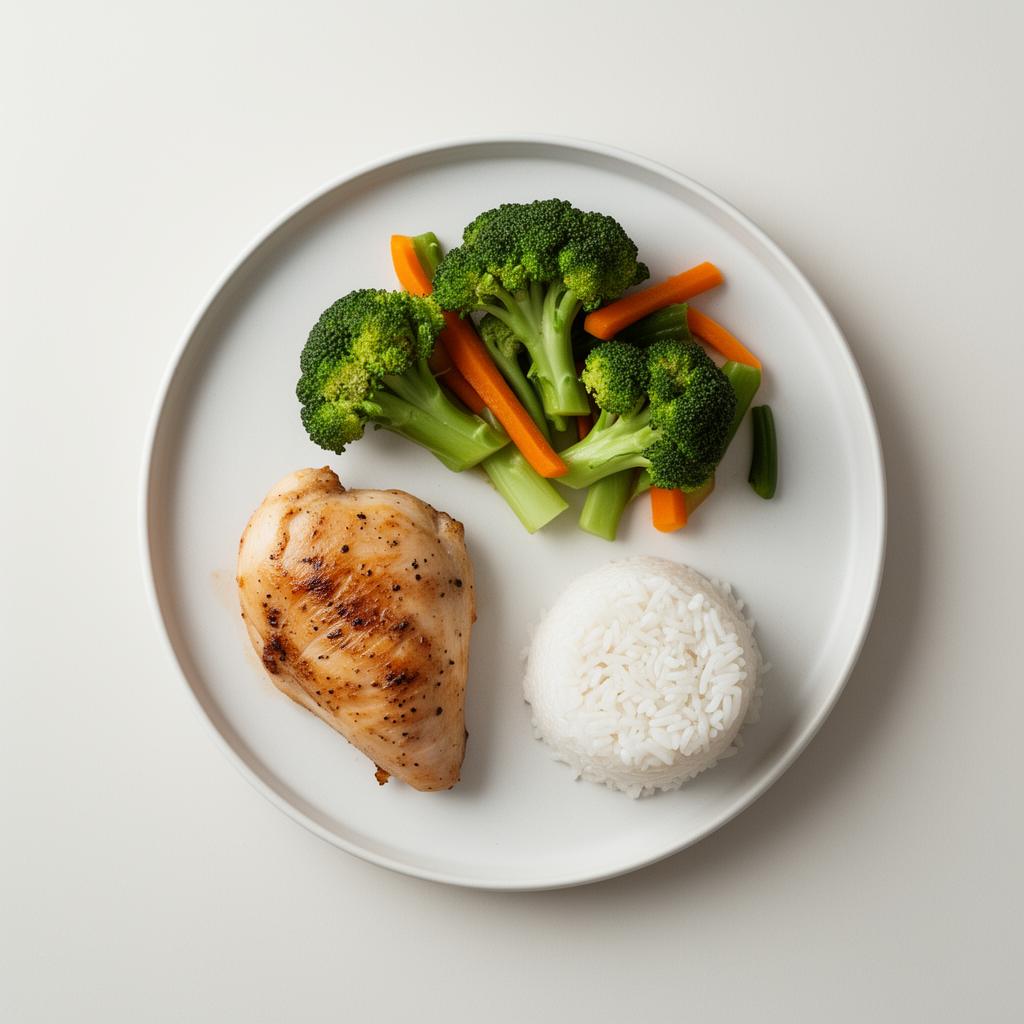
As a reminder, this article provides food and cooking strategies, not medical advice. Always work with your prescribing provider and a registered dietitian to create a plan that's right for you.
Your New Fullness Clock: Why Satiety Arrives So Much Sooner
The profound early fullness you're feeling isn't just in your head; it's a physiological change driven by the core mechanism of these medications. GLP-1 agonists like semaglutide and tirzepatide cause something called delayed gastric emptying. In simple terms, your stomach holds onto food for a longer period before releasing it into the small intestine.
Think of your stomach as a waiting room. Before, people (food) entered and left at a steady pace. Now, the exit door is only opening every so often, causing the room to feel “full” much more quickly and stay that way for longer. This physical reality, combined with the drug's direct action on your brain's satiety centers, means your internal “fullness clock” is completely rewired. The signal that you've had enough might arrive after just ten minutes of eating, rather than the 20-30 minutes you might have been used to.
This is a powerful tool for weight loss, but it requires a new set of skills. Ignoring these new, earlier signals is a fast track to uncomfortable side effects like intense bloating, reflux, and even nausea. If you're just starting your journey, our Eating on Ozempic: A Beginner's Guide to Your First Month can help you navigate these initial changes.
The Hidden Risk: Why Chronic Under-Eating Can Sabotage Your Health
With such a suppressed appetite, it’s easy to celebrate eating very little. However, there's a significant difference between a calorie deficit for fat loss and chronic under-nutrition. Consistently failing to eat enough food—especially protein—carries real risks that can undermine your health goals.
The landmark STEP 1 clinical trial for semaglutide found that while participants lost a significant amount of weight, a portion of that was lean body mass (muscles and organs). On average, about 39-40% of the weight lost was lean mass. Losing muscle slows your metabolism, reduces strength, and can impact your long-term health. Severe and prolonged calorie restriction can also lead to:
- Fatigue: A constant state of low energy because your body simply doesn't have enough fuel.
- Hair Shedding: Medically known as telogen effluvium, this can happen when the body diverts resources away from non-essential functions (like hair growth) to conserve energy.
- Nutrient Deficiencies: Less food means fewer vitamins and minerals, which can impact everything from immune function to bone health.
The goal of GLP-1 portion control isn't just to eat less; it's to eat just enough of the right things. Prioritizing protein is your number one defense against muscle loss. To understand your specific needs, read our guide on Protein on GLP-1: How Much You Actually Need (and How to Hit It).
From 'Palm-Sized' to Precise: Why a Food Scale is Your Best Friend
Vague advice like “eat a palm-sized portion of chicken” is no longer helpful. Your new portion reality is likely much smaller than these old heuristics suggest, and precision is key to ensuring you get adequate nutrition without overdoing it. A digital food scale is the single most valuable tool for recalibrating your understanding of portion sizes.
Instead of guessing, you can measure. This isn’t about obsessive tracking for life; it’s about learning what your new “normal” looks and feels like. Start by aiming for these concrete targets per meal:
Protein: The Anchor of Your Meal
Target: 25-35 grams of protein. This is non-negotiable for preserving muscle mass. On a scale, this looks like:
- 115g-140g (about 4-5 oz) of cooked chicken breast or fish
- 130g of 93/7 lean ground turkey
- 200g (about 1 cup) of plain Greek yogurt
- 150g (about 1 cup) of cottage cheese
Fiber: Vegetables for Volume and Nutrients
Target: Fill half your plate, visually. This translates to roughly 150-200g of non-starchy vegetables. Think broccoli, cauliflower, asparagus, zucchini, or a large leafy green salad. They provide crucial micronutrients and fiber for digestive health with minimal caloric load.
Carbohydrates & Fats: For Energy and Balance
Target: Fill one-quarter of your plate. Focus on slow-digesting, fiber-rich sources. A measured portion might be:
- 125g (about ½ cup) of cooked quinoa or sweet potato
- 75g (about ½ cup) of chickpeas or lentils
- 20-30g (1-2 tablespoons) of healthy fats like avocado, nuts, or seeds
The “Two-Sitting Meal”: A Strategy to Beat Overfullness
For many, even a perfectly portioned plate can feel like too much at once. This is where the “two-sitting meal” strategy comes in. The concept is simple: you eat your meal in two smaller halves, spaced about 60 to 90 minutes apart.
Here’s how it works: prepare your measured meal (e.g., 115g chicken, 150g broccoli, 125g quinoa). Eat half of it. Then, stop. Cover the rest and set a timer for 60-90 minutes. Go about your business. When the timer goes off, check in with your body. Are you feeling hints of hunger again? Is your stomach settled? If so, finish the other half of your meal.
This technique works beautifully with your body's new delayed gastric emptying. It allows you to get in your full nutritional requirements without overwhelming your stomach in a single sitting. This dramatically reduces the risk of the profound overfullness that can lead to bloating, reflux, and nausea. If nausea is a frequent concern, you'll find more helpful tips in our post on GLP-1 Nausea: What to Eat (and Avoid) When Food Feels Hard.
Don't Drown Your Food: Rethinking Liquids at Mealtime
One common mistake that amplifies discomfort is drinking a large volume of liquid *with* your meal. Remember the “full waiting room” analogy for your stomach? Pouring a 16-ounce glass of water into that already-crowded room is a recipe for disaster. The added liquid increases the volume and pressure in your stomach, leading to a feeling of being painfully stuffed and potentially worsening acid reflux.
The fix is simple: separate your food and fluid intake. Try to drink your water or other beverages at least 30 minutes before you eat, or wait until 30-60 minutes after you've finished your meal. This gives your stomach a chance to begin its slow work of digestion without being stretched to its absolute limit. A few small sips of water during the meal to help food go down is fine, but avoid chugging.
What to Do Today
- Get a food scale. Order a simple digital one online. It is the most important tool for mastering GLP-1 portion control.
- Measure your protein. For your next meal, weigh your protein source to see what 30 grams of protein actually looks like on your plate.
- Try a split meal. Eat half your lunch, wait 90 minutes, and then eat the second half. Notice how it feels.
- Separate your liquids. At your next meal, drink a glass of water 30 minutes beforehand and avoid drinking anything substantial until an hour after.
Frequently Asked Questions
How do I know if I'm under-eating?
Key signs include persistent fatigue that isn't explained by other factors, noticeable hair shedding, feeling cold often, and a plateau in health improvements despite being on the medication. The best way to know for sure is to track your intake for 3-5 days using an app and review it with your doctor or a dietitian to see if you're meeting your basic protein and calorie needs.
Can I still eat at restaurants?
Absolutely! The strategy just changes. Ask for a to-go box when you order your food and immediately put half of the entrée in it for later. Alternatively, order a high-protein appetizer as your main course or split a main dish with a dining companion. The key is to plan for a smaller portion from the outset.
What if I’m still hungry after my small portion?
First, wait 20 minutes. Due to the way GLP-1s work on brain signaling, it can take that long for the full force of your satiety signals to register. Give your body a chance to catch up. If, after 20 minutes, you are still genuinely physically hungry, reach for a small, protein-focused snack, like a few spoonfuls of cottage cheese or a handful of edamame. Avoid high-fat or high-sugar items, which can trigger side effects.
Learning to eat on a GLP-1 medication is a journey of rediscovery. It requires unlearning old diet rules and tuning into your body's new signals with curiosity and precision. By focusing on nutrient-dense foods in carefully measured portions, you can avoid the pitfalls of under-eating and provide your body with the fuel it needs to thrive. For recipes specifically designed with these principles—high protein, moderate portions, and incredible flavor—check out our GLP-1 High-Protein Dinners cookbook. It takes the guesswork out of making delicious meals that work with your new reality.