
Rice Smells Strange? 5 Quick Fixes & Safety Tips | RipePlate
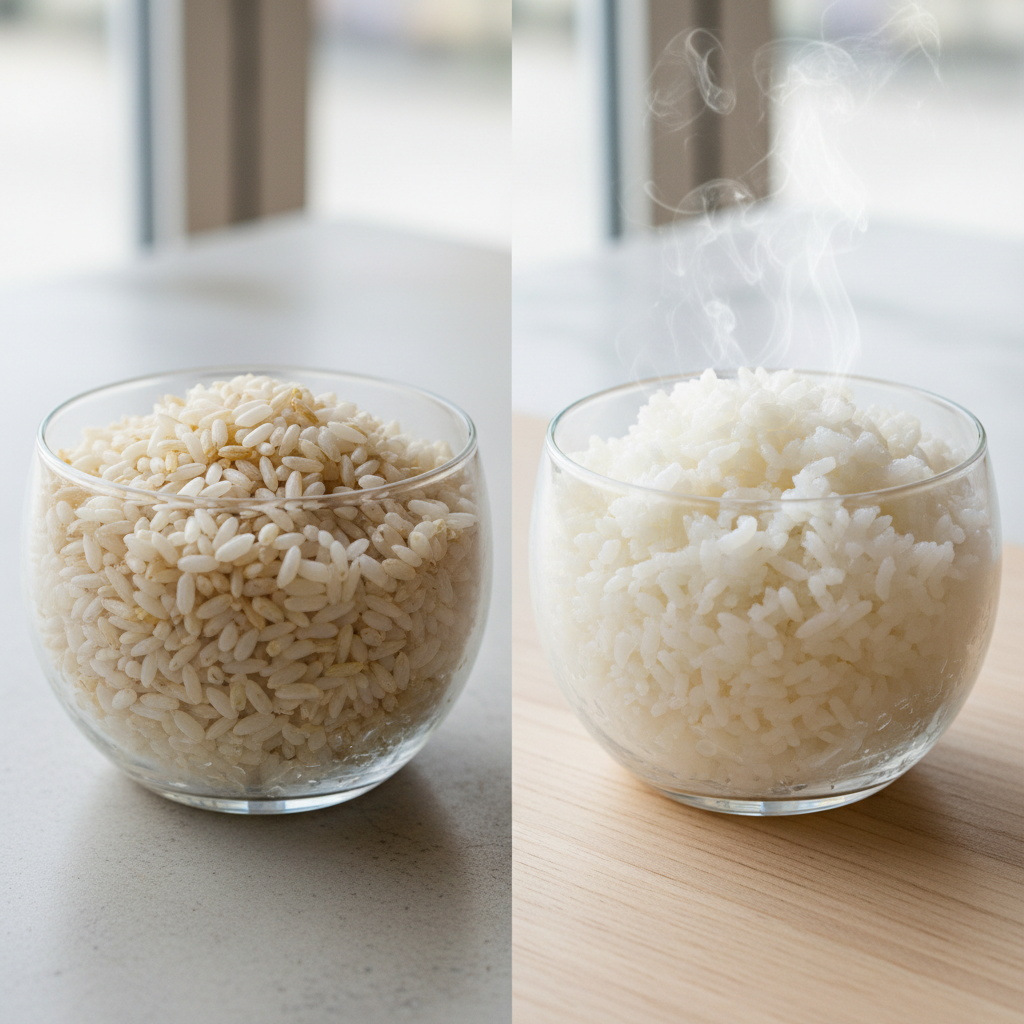
Your rice smells strange and you need to know one thing fast: is it safe to eat? Some rice smells are completely harmless — a nutty aroma from Basmati, a faint starchy scent from Jasmine. But other smells signal genuine danger. A sour, fermented, or acidic odour in cooked rice can mean Bacillus cereus bacteria have multiplied to toxic levels. This guide gives you a clear Normal vs Unsafe comparison table, explains exactly when rice becomes dangerous, and shows you 5 proven fixes to stop strange smells for good.
Want to create your own custom recipes? Try our AI-powered recipe generator for personalized cooking solutions tailored to your ingredients and preferences.
Normal vs Unsafe Rice Smells: Comparison Table
Before you panic, check this table. Not every unusual smell means your rice is dangerous. Some are natural, some are fixable, and some mean you should throw the rice away immediately.
| Smell Description | Normal or Unsafe? | Cause | Action |
|---|---|---|---|
| Nutty, popcorn-like | ✅ Normal | Natural aroma of Basmati/Jasmine rice (2-acetyl-1-pyrroline) | Enjoy — this is a sign of quality aromatic rice |
| Faintly starchy or pasty | ✅ Normal (fixable) | Excess surface starch not rinsed off | Rinse rice 3–4 times before cooking |
| Musty, dusty, or crayon-like | ⚠️ Caution | Lipid oxidation — grains are old/rancid | Discard if strong; mask with aromatics if mild |
| Chemical or metallic | ⚠️ Caution | High chlorine or mineral content in water | Switch to filtered water |
| Plastic-like | ⚠️ Caution | New rice cooker or cheap plastic container | Deep-clean appliance; use glass/BPA-free containers |
| Sour, acidic, or fermented | 🚨 Unsafe — DISCARD | Bacillus cereus bacterial growth and toxin production | Throw away immediately. Do NOT reheat. |
| Eggy or sulphurous | 🚨 Unsafe — DISCARD | Advanced bacterial decomposition | Throw away immediately. |
| Mouldy or damp earth | 🚨 Unsafe — DISCARD | Mould growth from moisture exposure | Throw away. Check storage conditions. |
When Rice Becomes Dangerous: The Bacillus Cereus Risk
This is the section most people skip — and it is the most important. Rice is one of the most common causes of bacterial food poisoning in the UK, according to the NHS. The culprit is a spore-forming bacterium called Bacillus cereus.
How Bacillus Cereus Works
Bacillus cereus spores are naturally present on uncooked rice. They are heat-resistant — boiling and steaming do not kill them. Here is what happens step by step:
- You cook the rice. Active bacteria die, but heat-resistant spores survive.
- The rice cools slowly. As the temperature drops into the "danger zone" (8°C–60°C / 46°F–140°F), spores germinate into active bacteria.
- Bacteria multiply rapidly. In warm, starchy, moist rice, B. cereus can double every 20–30 minutes.
- Toxins are produced. The bacteria produce two types of toxin: an emetic (vomiting) toxin called cereulide, and diarrhoeal enterotoxins.
- The toxins are heat-stable. Reheating the rice does not destroy cereulide. This is why sour-smelling rice must be discarded, never reheated.
| Factor | Detail |
|---|---|
| Bacterium | Bacillus cereus |
| Source | Naturally present on raw rice grains |
| Survives cooking? | Yes — spores are heat-resistant up to 100°C |
| Danger zone | 8°C–60°C (46°F–140°F) |
| Doubling time | 20–30 minutes in ideal conditions |
| Toxin type | Cereulide (emetic, heat-stable) + diarrhoeal enterotoxins |
| Onset of illness | 1–6 hours (vomiting) or 6–15 hours (diarrhoea) |
| Destroyed by reheating? | No. Cereulide is heat-stable to 126°C |
The critical rule: cool cooked rice within 1 hour and refrigerate at 5°C or below. Never leave cooked rice at room temperature for more than 1 hour. For a complete overview of safe food temperatures, see our Safe Food Storage Temperature Chart.
The Science Behind Why Your Rice Smells Strange
Rice smells strange due to three main chemical processes, each producing distinct odours:
1. Lipid Oxidation (Rancidity). Rice contains natural fats, especially brown rice with its oil-rich bran layer. Over time, exposure to air, heat, and light triggers lipid oxidation. This chemical breakdown produces aldehydes and ketones — volatile compounds responsible for musty, paint-like, or crayon-like smells.
2. Microbial Activity. As detailed above, Bacillus cereus and other bacteria multiply in improperly stored cooked rice, producing sour, fermented odours. Even uncooked rice stored in damp conditions can develop mould.
3. Surface Starch Fermentation. Excess starch powder on unrinsed rice can ferment slightly during cooking, producing a pasty, glue-like smell that overpowers the natural grain fragrance.
5 Proven Fixes for Strange-Smelling Rice
1. Stale or Rancid Grains
The Problem: Brown rice older than 6 months or white rice older than 2 years develops oxidised oils. You will notice a musty, crayon-like smell before cooking.
The Fix: Discard rancid rice — the off-flavours cannot be washed or cooked away. Buy rice in smaller quantities from stores with high turnover. Store in an airtight container in a cool, dark place. Keep brown rice in the freezer to extend shelf life to 18 months.
2. Excess Surface Starch
The Problem: Unrinsed rice smells pasty and starchy, and cooks up gummy. This starch also causes your rice to stick together.
The Fix: Rinse rice in a bowl under cold water, swirling vigorously. Pour off cloudy water and repeat 3–4 times until mostly clear. As Serious Eats explains, the goal is not perfectly clear water — a slight cloudiness is fine.
3. Hard or Chlorinated Water
The Problem: Tap water with high chlorine or mineral content imparts a chemical or metallic smell to rice.
The Fix: Use filtered or bottled water for cooking. Alternatively, fill a jug with tap water and let it sit for a few hours — much of the chlorine will dissipate naturally.
4. A Dirty Rice Cooker or Pot
The Problem: Old oils and starchy residue trapped under the lid, in gaskets, or steam vents transfer stale or sour smells to fresh rice. Buildup can also cause rice to burn at the bottom.
The Fix: Wash the inner pot, lid, and all removable parts with hot soapy water after every use. Monthly deep-clean: fill the pot halfway with 50/50 white vinegar and water, run a full cook cycle, let sit for an hour, then wash.
5. The 'Keep Warm' Setting Left Too Long
The Problem: Leaving cooked rice on 'keep warm' (60–65°C) for more than 2 hours creates the perfect incubator for bacteria. This also causes mushy rice.
The Fix: Eat rice within 1–2 hours of cooking. Cool leftovers rapidly by spreading on a baking sheet. Refrigerate within 1 hour. Cooked rice keeps 3–4 days in the fridge, per NHS food safety guidance.
How to Prevent Strange Rice Smells: Quick Checklist
- Buy fresh: Purchase from stores with high turnover in quantities you will use within a few months.
- Store smart: Use an airtight glass or hard-plastic container. Keep in a cool, dark, dry place. Freeze brown rice.
- Always rinse: 3–4 washes under cold water until mostly clear. Non-negotiable.
- Filter your water: If your tap water tastes of chlorine or metal, switch to filtered.
- Clean your cooker: Wash all parts after every use. Deep-clean with vinegar monthly.
- Cool rice fast: Spread on a baking sheet and refrigerate within 1 hour.
- FIFO rule: First in, first out. Use older rice before newer stock.
Frequently Asked Questions
Is it safe to eat rice that smells slightly off?
It depends on the type of smell. A faint starchy or nutty aroma is normal. But if cooked rice smells sour, acidic, or fermented, do not eat it. This indicates Bacillus cereus contamination. The toxins produced are heat-stable and cannot be destroyed by reheating. When in doubt, throw it out.
Why does my rice smell like plastic?
A plastic smell usually comes from a new rice cooker that has not been cleaned before first use, or from storing hot rice in a cheap plastic container. Wash all new appliances thoroughly before use. Use BPA-free, food-grade glass or hard-plastic containers, and let rice cool slightly before sealing.
Can I reheat rice that smells sour?
No. The emetic toxin cereulide produced by Bacillus cereus is heat-stable up to 126°C. Microwaving, boiling, or frying will not destroy it. Sour-smelling rice must be discarded immediately.
How long can cooked rice sit out before it becomes unsafe?
The UK Food Standards Agency recommends cooling cooked rice as quickly as possible — ideally within 1 hour. Never leave cooked rice at room temperature for more than 2 hours. In hot weather (above 30°C), reduce this to 1 hour maximum.
🍚 Complete Rice Troubleshooting Guide
Strange smells are just one of many common rice problems. For solutions to sticky, mushy, burnt, or undercooked rice, read our complete Rice Troubleshooting Guide — your one-stop resource for perfect rice every time.
📋 Related Resources
- Ultimate Guide to Food Spoilage Signs — How to spot unsafe food before it makes you ill
- Safe Food Storage Temperature Chart (Printable) — Free downloadable reference for your kitchen